

In the realm of modern construction, the importance of a solid foundation cannot be overstated. Piling services are at the core of various construction projects, providing the crucial support and stability for structures that include houses to massive skyscrapers. By grasping what piling services involve and realizing their essential role, contractors and property developers can ensure the longevity and safety of their projects.
This complete guide to piling services will delve into different aspects of the process, discussing why these services are necessary, the signs that show a project needs piling, and how multiple forms of piles can be used effectively. As construction methods evolve, new piling techniques and up-to-date equipment boost efficiency and sustainability, making it crucial for builders to stay informed about the newest advancements in the domain. Whether you're dealing with difficult ground conditions or embarking on large-scale infrastructure projects, this article will equip you with the knowledge required to manage the intricacies of foundation piling.
Comprehending Piling Services
Piling solutions represent essential within the construction sector, having a crucial part in the strength and endurance of buildings. They involve the setup of foundational piles, referred to as foundation piles, that are placed or drilled into the soil to stabilize infrastructure and additional infrastructure. These piles are necessary when surface ground conditions are poor to withstand the weight of a structure, ensuring that the pressure is transferred to deeper, stronger soil or rock layers.
Such services are essential for a variety of development projects, including residential buildings to commercial projects. The significance of piling lies in its ability to prevent sinking and displacement of buildings over time, resulting in significant hazards. By creating a strong base, piling services contribute not only to the first firmness of a structure but also to its robustness against natural conditions and likely calamities.
Comprehending the various types of foundation solutions, including driven supports and excavated supports, is vital for determining the suitable technique for a specific project. Each piling type has its distinct uses and merits, affected by elements like ground conditions, load demands, and development scope. Knowledge of foundation solutions is crucial for engineers and builders, because it enables them make educated choices that will in the end affect the outcome and safety of their construction efforts.
Categories of Pile Foundations and Their Uses
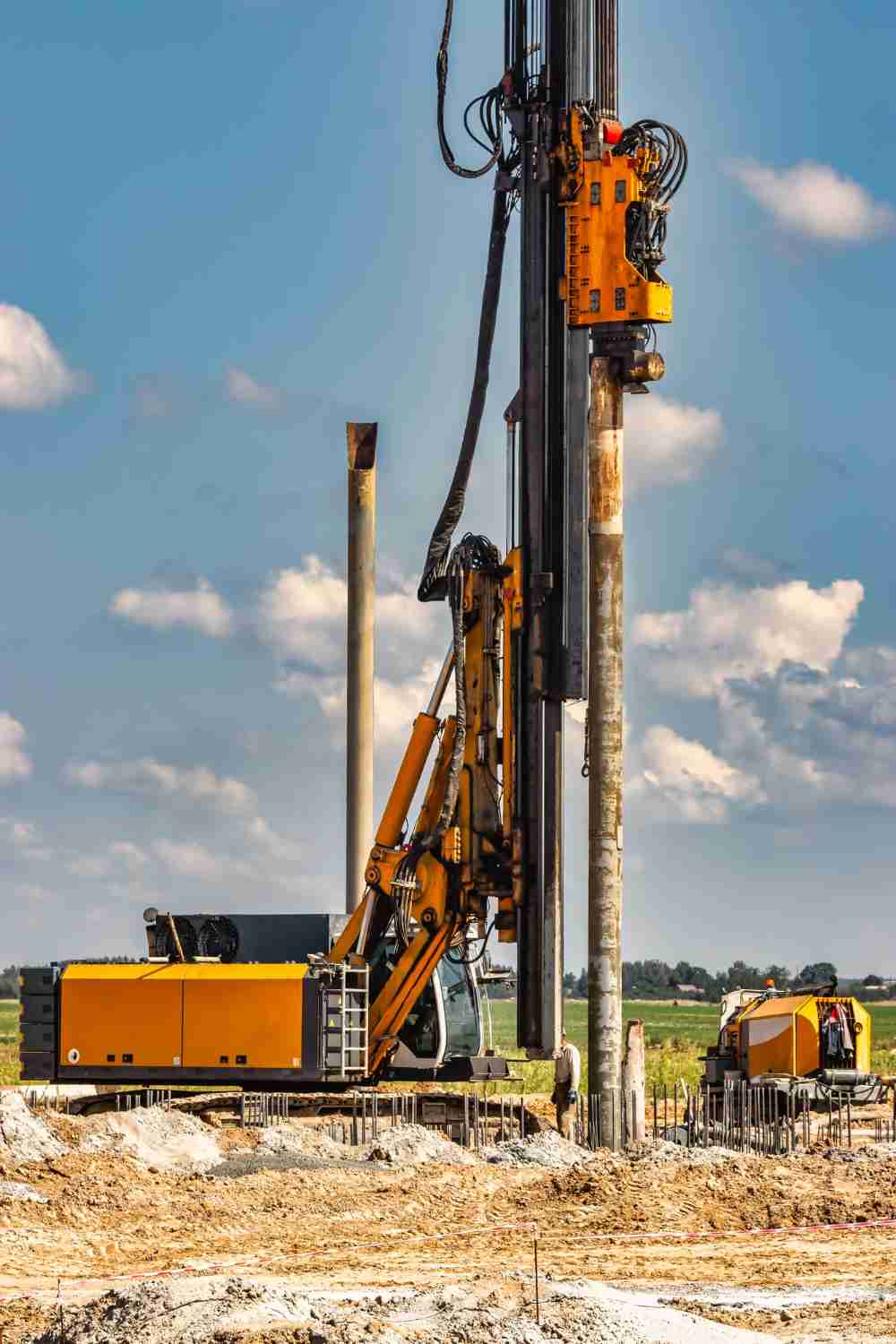
Various several kinds of piling techniques used in construction, all suited for specific soil conditions and construction needs. Precast piles, typically made of concrete or metal, are pounded deep into the earth using a pile hammer. This approach is particularly efficient in dense or cohesive soils and is frequently applied in big commercial ventures such as high-rises and bridges. The choice of driven piles is perfect for cases that need quick setup and immediate load-bearing capability.
Bored piles, on the contrary, involve drilling into the earth to create a cavity, which is then filled with concrete. This method is better in regions with restrictive space as it causes less noise and vibration, making it suitable for city settings. Drilled https://pilingcontractorsnottinghamshire.co.uk/ are frequently used in residential foundations and for larger structures where greater depths are necessary to obtain stable soil or bedrock. Their versatility allows for a wide range of applications, including support for overpasses and underground facilities.
An additional notable option is micropiles, that are thin piles that can be installed with little disturbance to the surrounding soil. These are particularly beneficial for difficult ground conditions, such as in locations with limited access or near existing structures. Micropiles provide strong support in tight spaces and are best for underpinning existing foundations or in seismic retrofitting. Overall, grasping the different types of piling and their uses is essential for choosing the right method for any building task.
Deciding the Right Piling Solution
Determining the appropriate piling method is vital for the effectiveness of any building project. It starts with a thorough understanding of the ground conditions at the site. Soil type, compactness, and load-bearing capacity play key roles in deciding which piling solution will provide the necessary support for the structure. For instance, stony soil may require pile driving, while looser ground might be more suitable for drilled piles. Conducting a soil investigation can help identify these factors and guide the selection process.
Another critical consideration is the intended load of the edifice. For high-rise structures, more profound and more robust piling systems are usually necessary to support substantial weights and resist horizontal forces, such as gusts or seismic forces. Conversely, modest residential developments may not need as comprehensive a foundation system. It is crucial to consult an experienced professional who can assess the particular necessities of the plan and recommend the most effective piling method based on design criteria and external factors.
Finally, schedules and expenses should also influence the selection procedure. Some piling techniques may be more labor-intensive and expensive than others, based on the machinery and labor force required. Evaluating the efficiency of contemporary piling techniques and factoring in sustainable practices can also help minimize the environmental effects and reduce outlays. By balancing these factors, development professionals can choose the most efficient piling solution that meets both safety standards and financial limits.