

As the winter season arrives and landscapes change into a snowy wonderland, the importance of professional winter road services becomes increasingly evident. Ensuring safe and accessible roads is a vital aspect of community safety, especially during periods of inclement weather. Professional winter road maintenance teams work diligently behind the scenes, equipped with expert knowledge and equipment to manage the issues posed by snow and ice. Their work not only help keep neighborhoods connected but also play a key role in reducing accidents, facilitating emergency services, and assisting business operations.
Comprehending the nuances of winter road services sheds light on why these services are important during the colder months. Whether it's via prompt gritting, effective de-icing strategies, or thorough snow clearance, the expertise provided by professional services makes a substantial difference. In the midst of harsh weather conditions, local authorities and businesses alike must understand the stakes involved in neglecting winter road maintenance. By embracing preventive measures and leveraging advanced technology, these services stand at the forefront of keeping our roads safe and operational.
The Importance of Specialized Winter Highway Services
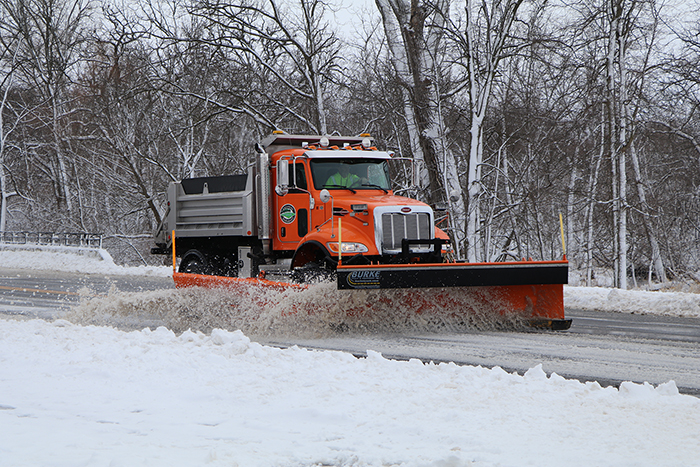
Expert cold weather road management play a crucial role in promoting public security during extreme climatic conditions. With extensive snowfall and frozen roads regularly leading to dangerous driving situations, these services are essential for minimizing risks associated with winter travel. Timely snow clearance and efficient gritting allow communities to maintain mobility, allowing that residents can move safely, emergency services can function efficiently, and businesses can sustain functions without major disruptions.
The influence of expertly carried out winter highway maintenance spans more than just security; it also significantly lowers the number of accidents that take place during winter storms. By employing a blend of de-icing and anti-icing techniques, professional winter services actively work to create more secure street conditions. This forward-thinking approach aids prevent ice formation and improves traction, leading to a significant decline in slip-and-fall incidents and vehicle collisions. Consequently, the presence of a dependable winter street service contributes to a community's overall robustness against winter hazards.
Moreover, expert winter street management provide economic benefits by allowing timely access to commercial properties and essential necessities. When roads are properly maintained, transportation and logistics can proceed without major delays, backing businesses and local economies. Consequently, the commitment in specialized winter road services not only preserves lives but also encourages economic stability and growth during winter months when adverse weather circumstances can otherwise cause activities to a standstill.
Optimal Approaches for Effective Winter Snow Management
Creating a thorough winter maintenance plan is vital for guaranteeing road safety during the colder months. Routine assessments of road conditions should be performed to establish the most suitable approach to winter operations. This includes recognizing critical areas such as slopes, junctions, and roads frequently used by first responders. Seasonal forecasts play a key role in preparation, allowing maintenance crews to assign resources effectively.
Using a variety of de-icing and anti-icing treatments can substantially enhance road safety. Anti-icing involves applying chemicals before snow begins to fall, establishing a barrier that stops ice from developing on the pavement. In contrast, de-icing is used after snow and ice have accumulated, effectively melting hazardous layers. Implementing these techniques empowers maintenance teams to respond quickly to variable weather conditions, consequently reducing the probability of accidents and boosting overall road safety.
Cooperation between local authorities and professional winter road service providers is necessary for effective maintenance. Establishing clear communication channels ensures real-time updates on road conditions and efficient resource deployment. Training personnel in the latest winter maintenance techniques and using advanced technology, such as GPS tracking for snow plows, can also improve operational efficiency. By promoting a proactive approach and sharing best practices, communities can ensure safer winter travel for all road users.
The Outlook of Cold Season Highway Services
The outlook of cold season road services is poised to be influenced by technological advancements and new practices that enhance effectiveness and security. As https://barnes-bertram-2.technetbloggers.de/beginning-with-snow-plowing-equipment-and-salt-spreaders-the-mechanics-of-cold-weather-road-services integrate into urban design and structural management, winter road services will gain from real-time data analytics and predictive techniques. By utilizing weather prediction tools and internet of things devices integrated in streets, service providers can actively respond to highway conditions, ensuring timely responses such as gritting and snow clearance.
Furthermore, eco-friendliness is emerging as a key priority within the industry. Ecological issues are pushing the use of green de-icing materials and techniques. Studies into alternatives to traditional road salt is on the rise, seeking to reduce ecological effects while maintaining effectiveness against ice and snow. Furthermore, the push for greener options is fostering the creation of methods that mitigate highway wear and reduce the sustained costs related to winter services.
Lastly, cooperation between business and government sectors is essential for creating strong cold season highway services. As cities face increasingly severe weather patterns due to climate change, a unified strategy will become important for effective asset allocation and tactical organization. By working together, stakeholders can develop comprehensive winter services plans that prioritize both public safety and cost-effectiveness, guaranteeing roads remain open for all during the harsh winter months.