

In the world of building and design, accuracy is crucial. Whether embarking on a residential renovation, considering an extension, or creating a business space, the accuracy of your existing measurements can make or break your project. This is where measurement surveys come into play, serving as vital tools that provide a comprehensive understanding of your area and its conditions. But what exactly are measured surveys, and why do they matter?
Measurement surveys are thorough assessments that capture the sizes, layouts, and features of a structure, allowing architects and builders to work with accurate data. They are not just mere floor plans but detailed representations that guide design decisions and support planning applications. In this article, we'll explore the details of measured surveys, including their importance for various projects, the distinctions between measured surveys and traditional floor plans, and the newest advancements in technology that are transforming the field. Understanding Topographic Surveys Buckingham Buckinghamshire will equip you with the knowledge needed to navigate the complexities of your next construction endeavor with assurance.
Comprehending Quantified Evaluations
Quantified assessments are comprehensive evaluations that deliver precise data and spatial relationships of properties or terrain. These assessments are employed to develop intricate drawings and illustrations of the existing conditions of a location. They are an critical resource in various fields, including building design, structural engineering, and development, as they confirm that all parties have a distinct grasp of the area before any construction begins.
The necessity for measured surveys arises in multiple circumstances, such as renovations, estate projects, and zoning requests. They serve as the basis for development processes, permitting architects and planners to make informed judgments based on precise metrics. Without precise dimensions, projects can encounter significant challenges, leading to costly mistakes and setbacks.
One of the primary gains of quantified assessments is their capability to deliver understanding and assurance in design processes. They help in mitigating risks associated with construction projects by offering a in-depth snapshot of the site and its features. This not only supports in the design phases but also ensures compliance with standards and codes set forth by local authorities.
Significance and Benefits of Measured Surveys
Measured surveys act a crucial function in providing precise and thorough information about a property's dimensions and characteristics. This data is essential for architects, engineers, and contractors to streamline the design and construction processes. By making sure that all stakeholders have access to exact data, measured surveys assist to avoid costly errors and misinterpretations during construction. These surveys are not just advantageous; they are often a essential part in the preparation and execution of renovations, additions, and new constructions.
One of the key advantages of obtaining a measured survey is the insight it provides into current conditions. For property owners considering improvements or restorations, understanding the existing layout and architectural intricacies is crucial. A measured survey can identify potential problems with historic or unique properties that may not be apparent at first glance. This analysis allows for more informed choices, reducing hazards and enhancing the overall success of any project.
Additionally, measured surveys play a significant role substantially to compliance in zoning applications and building regulations. They provide a comprehensive account of the property that is essential for get the required permits. Precise measurements assist designers craft with confidence, as they can use reliable data when creating designs and models. Furthermore, in the context of commercial properties, the significance of an precise measured survey cannot be overstated; it helps businesses organize their areas effectively and enhance efficiency.
Valuable Considerations for Quantified Surveys
When planning a recorded survey, it is crucial to take into account the unique needs of your project. This includes determining the degree of specificity needed, the type of survey most appropriate for your premises, and any particular measurements vital for your renovation or building plans. Engaging with experts early on can facilitate define these needs and confirm that you obtain a survey that is both complete and in sync with your goals.
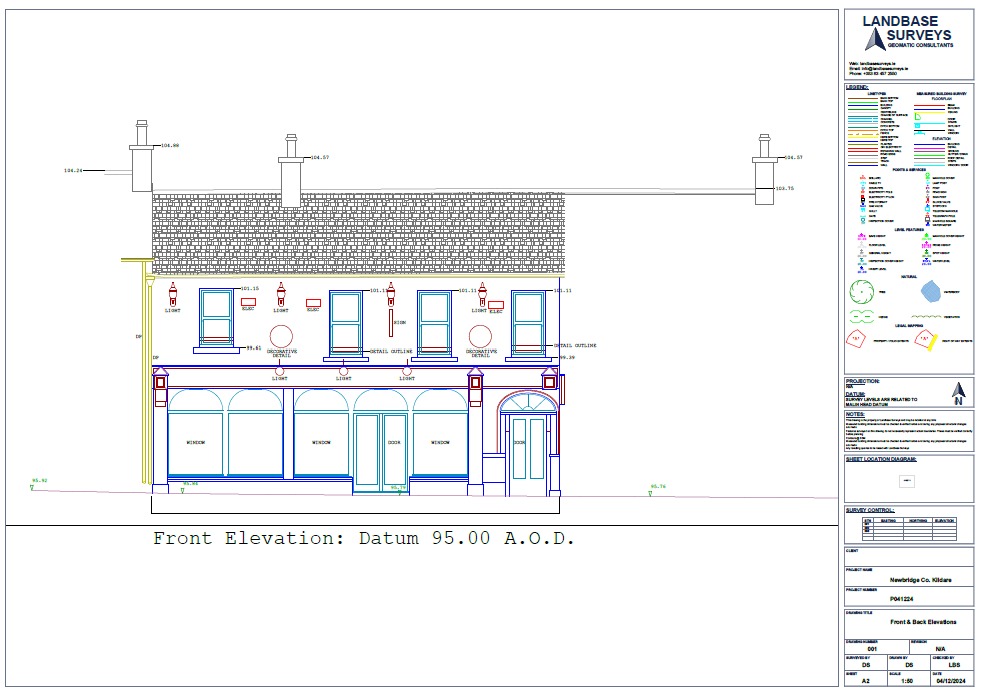
Timing considerations is another critical element in the process. The timeframe of time a quantified survey takes can fluctuate widely based on the dimensions and complexity of the premises. Be sure to allocate adequate time for both the survey per se and the subsequent analysis of the data. If you are working toward a target for planning applications or construction start dates, it is smart to plan the survey ahead of time to avoid any last-minute issues.
Finally, selecting the right company to conduct your recorded survey can significantly affect the outcome. Make sure to inquire key questions about their expertise with related projects, the methods they use, and their strategy to accuracy and detail. A properly selected professional can supply advice and guidance that enhance not only the standard of the survey but also the comprehensive success of your initiative.