

Timber flooring has long been a favored choice among homeowners and designers alike, exhibiting a timeless appeal that enhances the aesthetic of any environment. Looking ahead to 2025, the charm of wooden flooring remains to develop, introducing new styles and green options that cater to a varied range of styles and likes. This exploration of exotic woods not only features distinctive options for your flooring but also explores the benefits and considerations that come with selecting timber surfaces for your home.
From understanding how to choose the appropriate type of wooden floor to caring for its beauty over the long term, this article will lead you through the various facets of wooden flooring. Whether you are drawn to the resilience of hardwood or the adaptability of engineered wood, we will answer common questions and issues, making sure you feel confident in your flooring decisions. Come along as we explore the realm of timber flooring and uncover how its rich textures and organic appeal can enhance your interiors.
Picking the Best Wooden Floor
When it comes to picking timber flooring, the initial step is to understand your individual needs and preferences. Think about the area where the flooring will be installed and its use. High-traffic zones, such as foyers and living rooms, require sturdy options that can bear use and abuse, while sleeping areas may permit gentler woods that add coziness and tranquility. Additionally, think about your aesthetic aspiration; the hue, grain, and coating of the wood will greatly influence the overall ambiance of your environment.
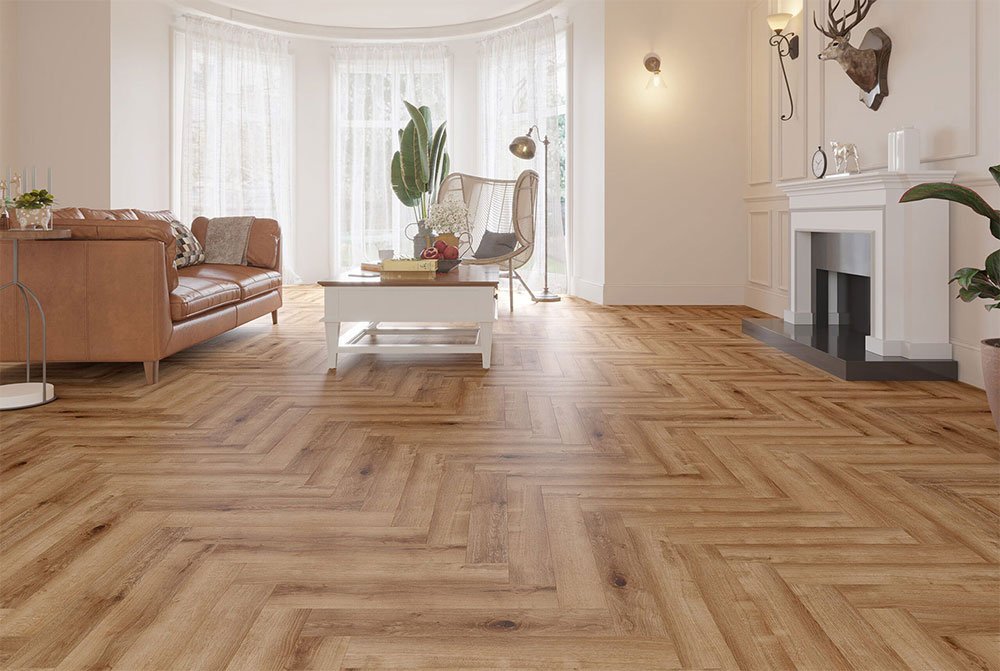
Another important factor in picking the best wooden flooring is the type of wood itself. Various species offer diverse levels of sturdiness, hue, and grain patterns. Hardwoods like oak are popular for their durability and timeless appeal, while exotic woods such as rosewood can add an remarkable touch to any design. Investigating the properties of each wood species will help you find the most suitable fit for your lifestyle and aesthetic objectives, ensuring that your selection complements both practicality and style.
Lastly, don't neglect the installation method and maintenance requirements associated with various wooden flooring options. Composite wood offers more flexibility in setting up and can be suitable for spaces with high humidity, while traditional hardwood may require a more extensive installation process. Understanding how to maintain your selected flooring kind will also help you maintain its aesthetic over the long term, making it crucial to consider the pros and cons of each selection before making a decision. With all of these factors, you can confidently select the wooden flooring that most effectively suits your house.
Advantages and Maintenance of Timber Floors
Wooden floors deliver a classic appeal that enhances the aesthetic value of any home. Their organic beauty and warmth create a cozy atmosphere, harmonizing seamlessly with various interior styles from traditional to contemporary. Additionally, timber flooring can significantly increase your home's value, making it a worthwhile investment for homeowners. With Herringbone Flooring Buckingham , these floors can offer enduring beauty and durability for many years.
When it comes to maintenance, timber floors demand routine attention to keep them looking their best. Routine cleaning with a proper wood floor cleaner and avoiding excess moisture can help stop damage. It's also crucial to apply a sealing finish and to consider refinishing the floor occasionally to restore its original luster. Periodic maintenance tips can help in maintaining your timber floors in top condition throughout the year.
One of the significant advantages of timber floors is their compatibility with radiant heating systems. This feature not only improves comfort but also makes timber flooring a versatile choice for contemporary interiors. Knowing the specific care and maintenance needs of your chosen wood species can ensure that your flooring remains functional and beautiful, even in busy areas of your home.
Tendencies and Styles in Wooden Flooring
In the year 2025, timber flooring continues demonstrate a combination of traditional elegance and current aesthetics. Among the leading trends are wide planks and reclaimed wood, which add character and a country charm to homes. Broad planks create a spacious feel, while salvaged wood offers a distinct history and texture, making each installation a one-of-a-kind piece. Additionally, the trend of combining wood species for a personalized look is gaining traction, allowing homeowners to express their individual style through a multi-faceted palette of colors and finishes.
Organic finishes remain a staple, highlighting the inherent beauty of the wood grain and promoting a pure look in interior design. Matte finishes, in particular, are being chosen over shiny counterparts as they provide a gentler appearance and are less prone to revealing scratches and wear. Eco-friendly finishes are also on the rise, with many sustainable options being developed that enhance durability while minimizing environmental impact. This trend aligns perfectly with the growing awareness of green living and environmentally friendly materials.
As for color trends, lighter shades, such as natural oak and Scandi blondes, are ruling the scene. These hues contribute to a bright and light atmosphere, perfect for modern and simple interiors. On the other hand, deeper woods like dark walnut are making a comeback for those looking to achieve a dramatic statement in their home. The key is to find a balance that enhances the overall design, ensuring that the wooden flooring not only serves as a practical aspect of the home but also enhances aesthetic appeal.