

Piling solutions play a vital role in the construction industry, providing the structural support essential for a diverse range of tasks. Regardless of whether you are building a skyscraper, a overpass, or a dwelling, the integrity of your project heavily relies on effective piling solutions. Grasping the significance of piling and the different techniques available can be the difference between a flourishing build and issues down the line.
In this complete guide to piling solutions, we will explore all you need to know, from what piling is and its importance to the various types of piling techniques and when to employ them. We'll also cover how to choose the right solutions for your particular project, the impact of soil conditions, and the latest advancements in piling technology. By the end of this piece, you will be equipped with valuable insights that will help you understand the complexities of foundation piling and ensure the effectiveness of your construction projects.
Grasping Piling Solutions
Foundation solutions are vital parts of building projects, offering the required strength for structures and structures. Fundamentally, piling involves the setting of long, slender columns driven far into the ground to reach a stable level of material or bedrock. This method is especially important for structures that are built on poor ground, guaranteeing that they have a strong base to bear the loads put upon them. Without Mini Piling Nottinghamshire , structures may face issues such as sinking, breaking, and even severe breakdown.
Various styles of foundation supports can be used based on the specific requirements of a project. For example, pushed supports can be used in locations with solid soil, while drilled piles are better fitting for tasks requiring less disruption to the surrounding area. The decision of piling approach is influenced by elements such as soil type, surrounding factors, and the structural requirements of the building. Understanding these different kinds enables that construction teams can pick the best approaches for their construction supports.
In furthermore to the tangible features, piling services also entail careful preparation and strategic considerations. Construction professionals must assess ground properties and assess how profound the piles need to be placed to achieve the required strength. This assessment not only includes examining soil data but also factoring potential obstacles that the specific site may present. Proper preparation is essential to ensure that the piling operation is carried out efficiently, ultimately culminating in a secure support that will maintain the long-term integrity of the building.
Types and Applications of Piling
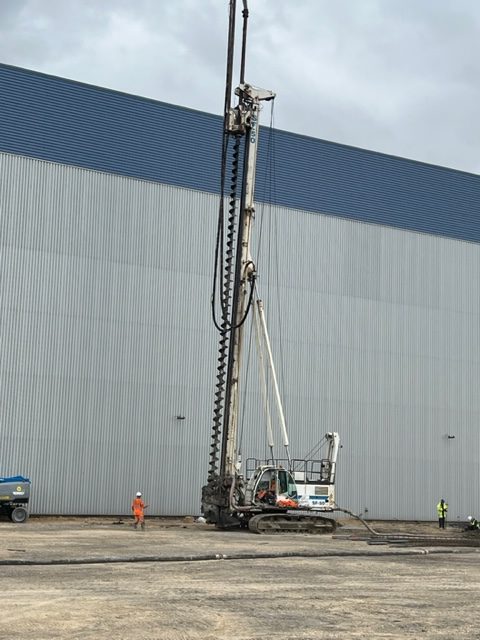
Piling methods encompass a variety of techniques and materials, tailored for various construction demands. Driven piles are one of the popular types, usually consisting of steel or concrete, which are set into the ground using a pile driver. These piles are ideal for projects with solid soil conditions and are typically employed in commercial and industrial constructions. On the other hand, drilled piles are created by boring a hole in the ground and pouring in concrete. This method is beneficial in difficult soil situations and city areas where vibrations should be reduced.
Another popular piling solution is micro piles, that are narrower and can fit in limited spaces while reinforcing current buildings. They are particularly useful in residential projects or areas with limited access, providing a versatile option when standard piling techniques aren't practical. In the same vein, screw piles, that function as spiral foundations, are gaining popularity due to their ease of setup and slight disruption to nearby surroundings. These are commonly employed in areas with adverse soil conditions or for foundations that require minimal environmental disturbance.
The choice of piling techniques and materials is often influenced by site-specific factors such as soil characteristics, load specifications, and project scope. For instance, in areas subject to high seismic activity, specific piling methods like wide diameter piles may be used for improved stability. Every type of piling serves unique purposes, and understanding these can ensure the success of construction projects, encouraging safety and resilience in structures.
Determining the Appropriate Piling Solution
Selecting the right piling solution for your construction project is vital to the entire success and stability of the structure. Several factors must be taken into account, including soil conditions, structural load needs, and surrounding conditions. Grasping the exact needs of your project will help you refine the choices. For instance, piles driven into the ground are often used in areas with dense soil and higher load capacities, while holes drilled for support are suitable for softer ground and can accommodate challenging geological conditions.
Another important factor to take into account is the type of the project you are working on. Different piling solutions serve varied purposes; for instance, micropiles are an outstanding choice for limited access sites where normal piling methods may not be feasible. On the other hand, for major projects like bridges or skyscrapers, larger driven or bored piles may be necessary to ensure optimal load-bearing capabilities. Engaging with a soil engineer can provide clarity into which solution fits well with both your project objectives and site conditions.
In conclusion, financial considerations and deadlines play a significant role in your selection process. Professional piling contractors can provide guidance on cost-effective solutions while ensuring adherence with safety and regulatory standards. It is important to collect quotes and assess the availability of equipment and services within your schedule. By taking these factors into account, you can make a informed decision that not only fulfills your project criteria but also ensures the structural integrity and lifespan of your construction.