

In today's swiftly evolving tech world, the significance of AI agents cannot be overemphasized. As organizations increasingly embrace automation and intelligent systems, understanding what AI agents are and how they function is crucial for staying relevant. These independent AI systems are designed to carry out a variety of functions on their own, ranging from customer service to data analysis, and they are changing how we handle operations across sectors.
This beginner's guide is designed to showcase the transformative power of AI agents and explore their pivotal role in various industry fields. Whether you're a small business owner seeking streamline operations or a corporate leader seeking to enhance productivity, the insights shared in this guide will prepare you with the capabilities essential to harness AI efficiently. Join us as we explore into the various aspects of AI agents, their unique differences from traditional chatbots, and the innovative ways they are poised to transform the work environment of tomorrow. ### Grasping AI Agents
AI systems are sophisticated software programs designed to carry out tasks autonomously, using machine intelligence and automated learning techniques. These agents can acquire knowledge from information and make decisions based on predefined standards or live insights, which facilitates them to adjust to dynamic conditions. In contrast to traditional programs, which needs explicit instructions for every action, AI agents can analyze situations and act suitably, making them crucial in diverse applications across fields.
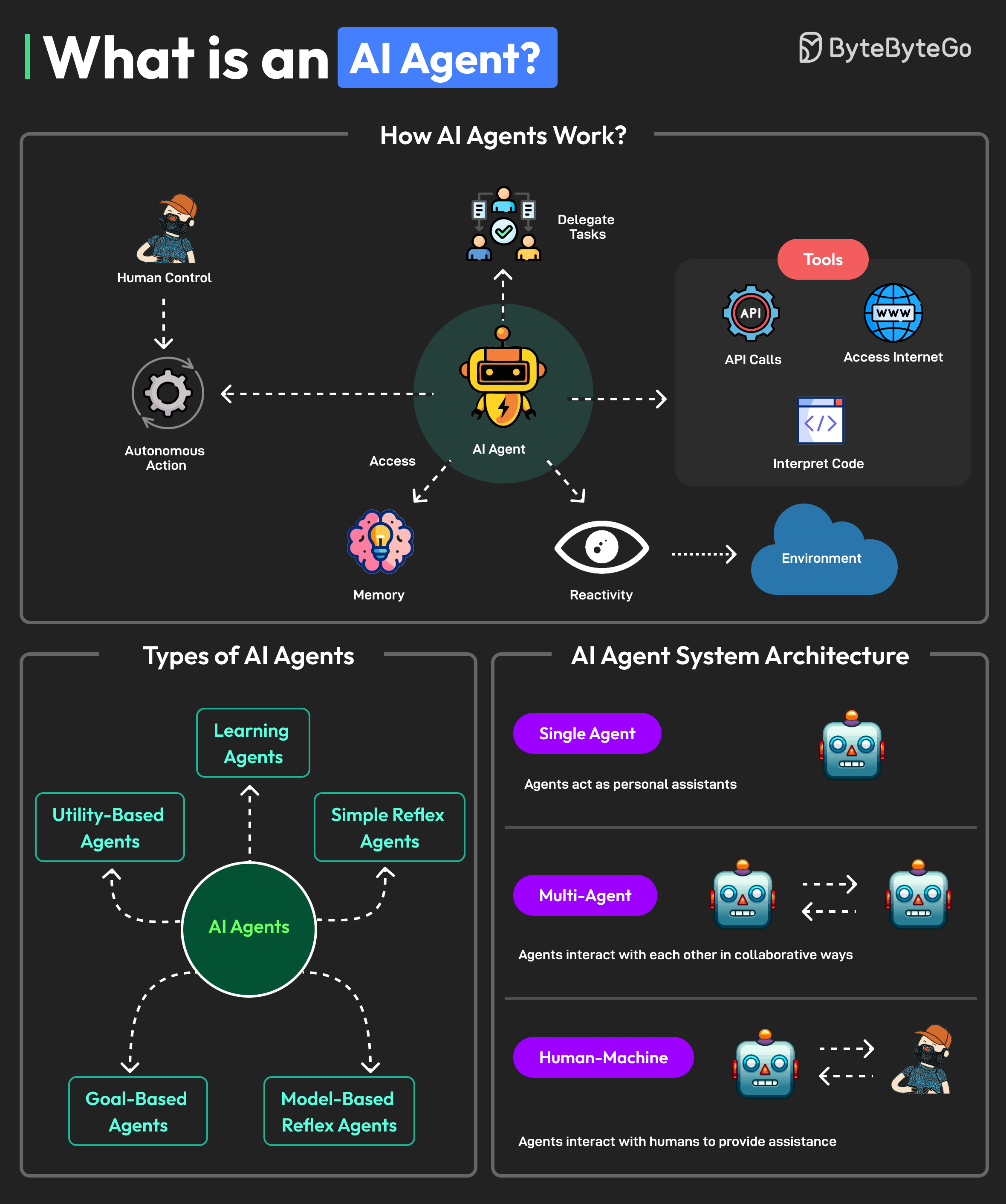
The vast potential of AI systems lies in their capability to simplify processes, improve productivity, and enhance choices. From simplifying routine tasks to providing insights from complex information, AI agents can significantly lessen the workload on human staff. As companies embrace technology adoption, the adoption of AI systems becomes crucial to maintain a strategic edge, as they enable organizations to respond rapidly to customer needs and market expectations.
Additionally, AI agents can work in a wide range of fields, including user assistance, healthcare, monetary systems, and advertising. By employing NLP and machine learning algorithms, these agents can interact with users, evaluate sentiment, and provide customized services. Their versatility and ability to enhance output have made them a pivotal component in the modern digital landscape, paving the way for cutting-edge approaches and improved outcomes across multiple sectors.
Effect of Artificial Intelligence Agents on Business
AI agents are profoundly transforming the commercial environment by simplifying essential tasks and improving operational efficiency. https://squareblogs.net/koreanattic64/artificial-intelligence-agents-the-coming-allies-in-the-virtual-realm to analyze large amounts of data quickly and make informed decisions allows businesses to react to market fluctuations with speed and flexibility. This transformation is particularly evident in customer service, where these intelligent agents can manage inquiries, fix issues, and provide support round the clock, leading to improved customer satisfaction and loyalty.
In addition, these intelligent systems facilitate smarter marketing strategies by automating campaign management and lead generation. By studying consumer behavior and preferences, these agents help businesses tailor their marketing efforts, resulting in improved conversion rates and enhanced engagement with specific demographics. This degree of automation not only saves time but also enables marketing teams to focus on strategic strategies rather than mundane tasks.
As businesses persist to embrace AI agents, they are experiencing substantial cost reductions and productivity gains. Companies that incorporate AI agents into their workflow can distribute resources more optimally, simplify operations, and ultimately scale their business. The future promises even higher advancements, as AI agents progress to manage more complex tasks, making them crucial tools for organizations looking to stay relevant in a rapidly changing marketplace.
Building and Establishing AI Automated Systems
To build and implement AI agents, it is important to start with a concise understanding of your commercial objectives and objectives. Defining specific use cases will help the development process, guaranteeing that the AI agent serves a practical purpose. This entails identifying repetitive tasks that can gain from automation, such as support requests or information processing. Once these demands are confirmed, choosing the appropriate tools and frameworks for creation becomes vital. There are various frameworks and programming languages on the market that cater to various levels of complexity and functionality, enabling businesses to tailor their agents according to their needs.
With the base laid, the next phase is to create the AI agent. This stage typically entails training the agent on pertinent information sources, which will improve its ability to adapt and make choices. Deployment should be approached through iterations, allowing for testing and adjustment as the agent interacts with real-world scenarios. Strong cooperation among multidisciplinary teams, comprising IT, advertising, and support, is crucial during this stage to ensure that the agent aligns with current workflows and optimizes its impact across the business.
Ultimately, continuous monitoring and refinement play a crucial role in the successful implementation of AI systems. Consistently analyzing performance metrics and collecting user responses can give insights into places that need refinement. As AI advancements develop, businesses must stay nimble, adjusting their systems to embrace new technological innovations and changing market conditions. This ongoing dedication to improvement will not only guarantee that the AI agents remain functional but also place the organization to leverage upcoming advancements, strengthening their place in the ever-evolving realm of artificial intelligence.