

Setting up a standalone stove is an exciting way to improve the coziness and design of your home. Regardless of whether you opt for a wood stove, these heaters not only provide effective heating but also act as a stunning focal point in any room. As with any home enhancement project, comprehending the installation process is crucial for ensuring safety and performance.
In this comprehensive guide, we will lead you through the phases involved in installing a free-standing stove, covering the key points from choosing the right location to exhaust options and space requirements. We aim to arm you with the information needed to approach your installation with self-assuredness, whether you plan to go the DIY route or engage a professional. Enjoy the beauty and comfort of a free-standing stove in your home and uncover the optimal methods for a smooth setup.
Installation Fundamentals
Prior to you begin the installation of your independent stove, it's important to gather all essential instruments and supplies. This entails a measuring level, drilling tool, screws, and a stove pipe, as well as safety equipment such as gloves and goggles. Contingent upon the type of stove you’re installing—wood, gas, or pellet—specific instruments may differ. For example, pellet stoves may necessitate different installation steps relative to gas stoves, so be sure to consult the manufacturer's guidelines for your specific model.
Protection should be your top priority throughout the process. Ensure that you abide by local building codes and regulations, such as clearance requirements and venting practices. Free Standing Stove Installation West Wemyss Fife to establish the most suitable location for your stove, taking into account considerations like airflow, heating efficiency, and proximity to combustible materials. Checking the clearance around the stove is essential to prevent any fire hazards, as many stoves have specific requirements for how far they need to be from enclosures and furniture.
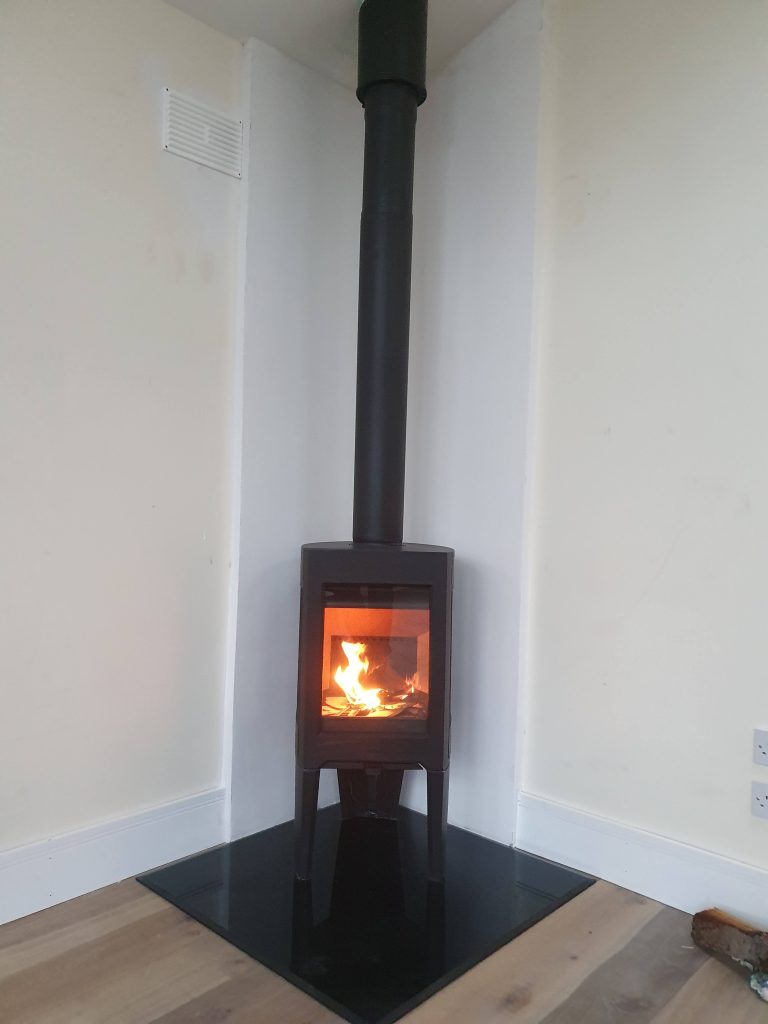
Ultimately, consider whether you want to take on the installation yourself or engage a professional. While DIY installations can reduce money, they necessitate a thorough understanding of the technical aspects involved. If you're doubtful or not proficient with the necessary skills, engaging a professional may be the safest option to secure a safe and effective installation. Additionally, being aware of the costs involved will help you allocate funds appropriately for this significant home improvement project.
Security and Compliance
When installing a free-standing stove, following safety guidelines is essential to ensure both your well-being and the efficiency of the unit. Start by consulting the manufacturer's instructions, which often contain specific installation directions based on model and energy source. Additionally, check local construction regulations and regulations, as these can vary significantly. Ensuring adherence with these standards not only promotes safety but can also avert future legal issues.
Clearance guidelines are a further critical factor of safe stove installation. Free-standing stoves must maintain exact distances from surfaces, furniture, and other flammable materials to reduce the risk of fire hazards. Familiarize yourself with the specifications for your specific stove model and double-check these clearances during installation. Using suitable floor protection is equally important; substances such as tile or brick may be required beneath the stove to prevent thermal damage to your floors.
In conclusion, consider the installation of carbon monoxide and fire detectors. These detectors should be placed in areas where they can effectively monitor the atmosphere and alert you to hazards. Make sure they meet with regulatory requirements and are situated at the appropriate heights and distances from the stove. Proper installation of these detection systems coupled with informed stove placement enhances the security of your home and ensures a sense of safety.
Maintenance and Troubleshooting
Routine upkeep of your free-standing stove is essential for guaranteeing its longevity and efficiency. For traditional stoves, this involves cleaning the flue and chimney at least once a year to avoid creosote buildup, which can lead to chimney fires. Additionally, check the firebox and gaskets for wear and tear. For gas or pellet stoves, inspect and service the burner and exhaust vent to ensure proper combustion and ventilation. Keeping a maintenance schedule will help you avoid larger issues in the future.
If you encounter problems after installation, troubleshooting should begin with determining the symptoms. Common issues such as smoke coming from the stove when it should not be or insufficient heating can often be traced back to insufficient airflow or venting problems. Check the chimney for obstructions and ensure that the stove is appropriately sized for the space. Additionally, check all seals and connections for gaps, which could impair performance and safety.
Always be ready for potential malfunctions by having a fundamental understanding of your stove and its components. Familiarize yourself with the location of safety devices like carbon monoxide detectors, which are essential for assessing air quality. If Check out the post right here spot persistent issues that you cannot resolve, it is wise to seek advice from a qualified installer or technician, as they can provide more than just troubleshooting tips; they can ensure your system operates safely and effectively.