

If you love word games, it's well-known that a good word scramble can be both a fun challenge and a great way to stimulate your mind. Whether you are a casual player or a competitive solver, mastering the skill of unscrambling letters into coherent words could elevate your game and sharpen your cognitive skills. In Learn more , we'll discuss an array of strategies to help you tackle word scrambles with confidence and speed, ensuring you are armed with effective tips and tricks from the experts.
From understanding common letter patterns to utilizing advanced techniques favored by seasoned puzzle solvers, our goal is to enrich your word challenge experience. Not only will you discover how to expand your vocabulary and hone your problem-solving skills, but you'll also explore the psychological aspects that render word puzzles extremely appealing. Get ready to unlock your potential as we dive into the world of word scrambles and discover how these delightful puzzles can benefit your brain and entertain your family and friends.
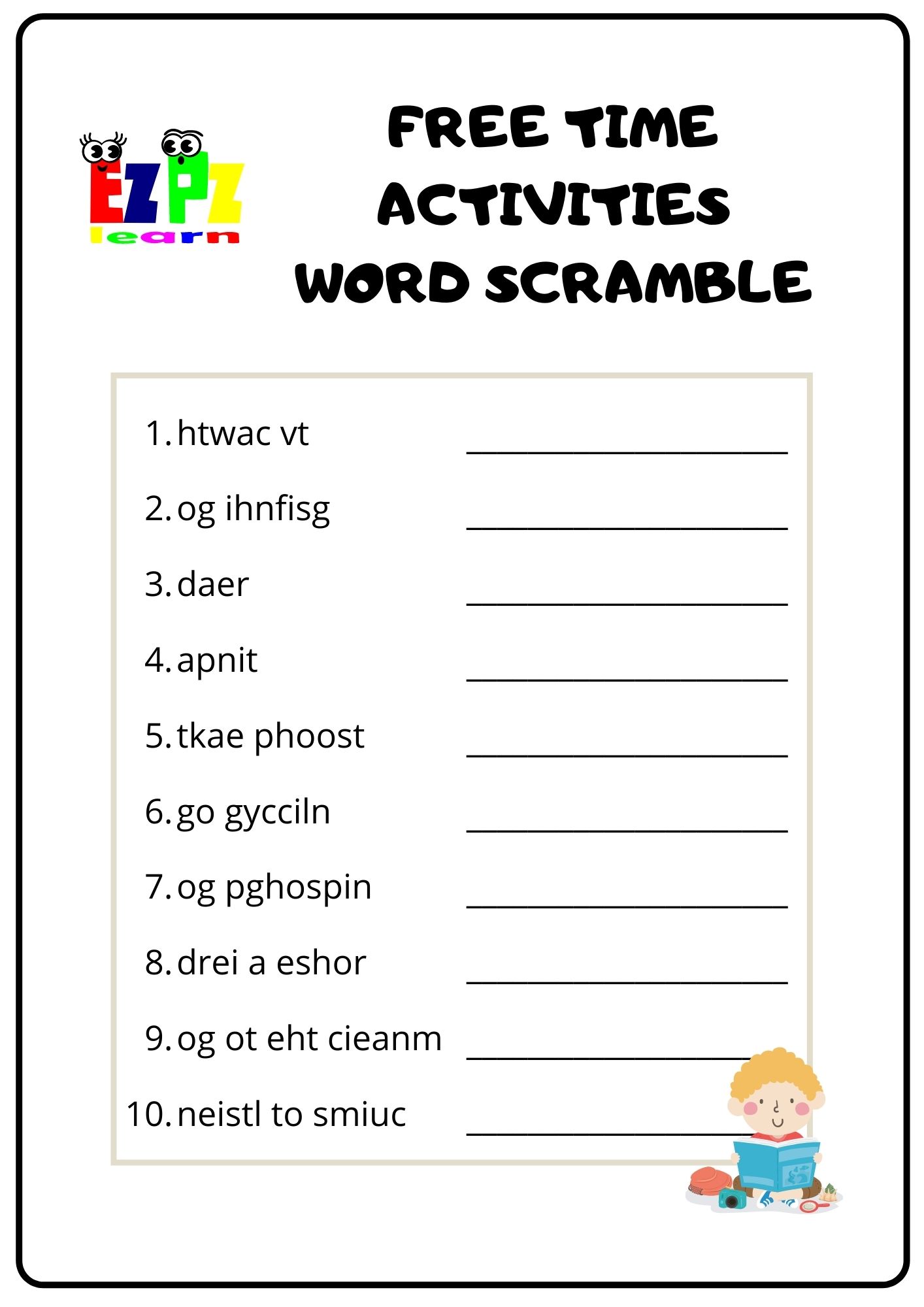
Specialist Advice for Decoding Word Scrambles
One efficient technique for tackling word scrambles is to regularly look for popular prefixes and suffix components. Prefixes like "re," "as well as" suffixes such as "ed," can significantly narrow down your choices. By recognizing these common components, you can more easily reconstruct the desired word. Focusing on these components allows you to break down the scrambled letters methodically, paving the way for quicker recognition of the ultimate word.
Another beneficial strategy is to acquaint yourself with common letter patterns in the linguistic lexicon. Many words follow specific sequences, such as vowel-consonant combinations. For example, words typically start with consonants and then followed by vowels. When facing a jumble, pay careful attention to the arrangement of vowels and identify potential combinations of consonants. This approach requires a discerning eye but can lead to more rapid solutions, altering your approach to deciphering word scrambles.
Engagement is crucial for improving your skills in word scrambles. Participating consistently with puzzles not only hones your ability to decode jumbled letters but also improves your vocabulary. Start with more straightforward puzzles and gradually move to more complex ones. Consider timing yourself to improve speed, or work with friends to create a competitive atmosphere. Such exercises can significantly enhance your skills and make the task more enjoyable, ultimately yielding more successful solving sessions.
Common Approaches and Mistakes
When tackling word scrambles, many skilled players rely on common strategies that can considerably enhance their decoding speed. One efficient method is to start by identifying the vowels in the jumble. Vowels frequently form the core of words, so pinpointing them can give a robust starting point. Additionally, looking for familiar prefixes and suffixes can help in discerning the possible formation of the word. Words that begin with “un”, “re”, or end with “ing” or “ed” are common in the English language, which makes these clues invaluable.
Another strategy involves organizing the letters. Players can devote a moment to organize the letters visually, either on paper or mentally, into known segments. Creating small clusters can frequently lead to identifying patterns or combinations that are similar to real words. Furthermore, practicing with various word scramble puzzles can improve this skill. Consistent exposure to diverse letter combinations allows players to become familiar with frequent letter pairings, improving their ability to solve scrambles rapidly.
However, there are pitfalls to avoid. One of the most frequent mistakes made by beginners is to fixate too heavily on endeavoring to solve the scramble too rapidly, leading to missed combinations. It is important to combine speed with meticulous observation of the letters and potential arcs of words. Another typical error is forgetting to check for plural forms or alternate forms of words, which may not be obviously apparent. Players should keep in mind to take a step back when they become stuck and re-evaluate the letters rather than compelling a solution.
Educational Advantages and Brain Development
Engaging with text jumbled games offers substantial academic benefits that extend past mere entertainment. For kids, these puzzles serve as a fun and hands-on way to improve word knowledge and orthographic skills. As they struggle to decode mixed words, they actively engage in critical thinking and solution-finding, which are essential components of cognitive development. This active approach to education can cultivate a passion for linguistics and encourage further exploration of words and their definitions.
In addition to vocabulary enhancement, word games help boost recall and mental agility. The process of identifying patterns, recalling word forms, and quickly rearranging letters activates brain function, improving both short-term and long-term memory. Regular participation in these activities can result in better focus and attention spans, making word games an ideal exercise for the brain.
Moreover, word games encourage social interaction and collaboration when played in groups. This joint environment encourages communication and dialogue about word choices and tactics, creating a supportive learning atmosphere. As players compete each other, they not only enhance their language skills but also build connections and fortify interpersonal ties, making word games a valuable tool for educational and social development.