

Within the world of property and building, the function of a land surveyor is frequently neglected but is absolutely crucial. These skilled professionals serve as the backbone of property transactions, ensuring that boundaries are clearly outlined, regulatory standards are fulfilled, and that developments are carefully planned. Regardless of whether you're a real estate owner, a prospective buyer, or someone participating in a construction project, understanding what surveyors do can save you from costly disputes and mistakes down the line.
While you move through the complex landscape of property ownership, understanding when and why to engage a land surveyor is crucial. Surveys play a pivotal role in defining land boundaries, identifying zoning restrictions, and aiding in the efficient implementation of construction projects. From boundary assessments that prevent real estate conflicts to modern techniques like GPS and drone surveys that enhance precision, the field of surveying is constantly changing. Click here! will walk you through the various aspects of surveying, ensuring you are well-informed and prepared for any real estate-related endeavor.
Grasping the Function of a Surveyor
Land surveyors play a crucial function in the domain of land management and real estate development. Their main duty is to assess and layout land, providing exact illustrations of land boundaries, outlines, and features. This thorough information is essential for a variety of participants, including landowners, builders, architects, and engineers, as it informs determinations related to land utilization, construction, and legal compliance. By using a mix of classical surveying methods and modern technology, they ensure that all calculations are precise, which is critical for avoiding disputes and ensuring that projects meet legal standards.
One of the key domains where they contribute significantly is in establishing and setting land boundaries. Property line surveys not only establish the parameters of a property but also help avoid potential issues with nearby landowners. These surveys are especially important when a property is being purchased, transferred, or altered, as they provide the necessary documentation to support legal assertions and ease land transactions. Moreover, by distinctly delineating boundaries, surveyors help property owners understand their rights and responsibilities, ultimately promoting peaceful relationships within societies.
In addition to boundary definition, surveyors are integral to construction projects. They aid in preventing costly mistakes by ensuring that construction plans adhere to established designs and legal standards. From first site assessments to the completion of a construction project, surveyors provide invaluable insights that guide architects and constructors in their work. As technology progresses, surveyors are increasingly utilizing tools such as GPS and drones, enhancing their ability to gather data accurately and efficiently. This merging of technology not only improves the surveying but also opens up novel possibilities for innovation within the field.
Forms and Value of Property Surveys
Property surveys are available in different categories, each serving a specific goal and concentrating on distinct elements of a property. Boundary surveys are vital for establishing the precise limits of a land parcel, ensuring owners have a clear comprehension of their land limits and can prevent arguments with adjacent property owners. Topographic surveys, on the other hand, map the altitudes and contours of the terrain, which is essential for organizing infrastructure development and landscaping. Other forms include ALTA/NSPS surveys for commercial properties, which offer detailed information necessary for real estate deals, and construction surveys that help identify exact sites for constructing edifices correctly.
The significance of land surveys cannot be underestimated, especially for property owners and builders. A thorough survey ensures that any future construction complies with municipal planning laws and regulations, minimizing the risks of litigation and building hold-ups. By employing a professional surveyor, real estate developers can confirm the accuracy of boundary lines, detect any encroachments, and assess the land's fitness for their intended use. This degree of diligence helps in making educated decisions regarding land investments and building plans.
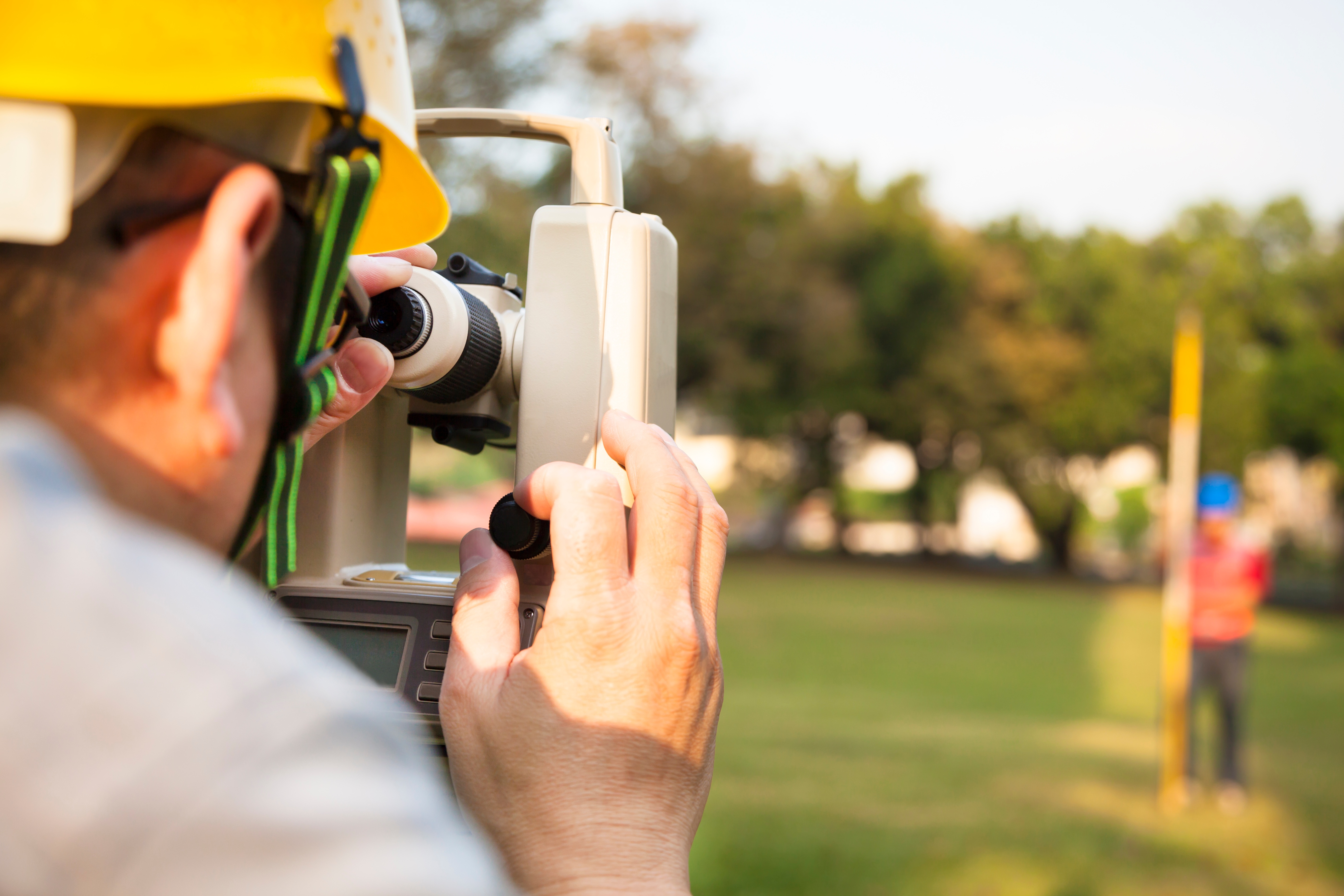
In addition, property surveys play a role significantly to the general stability of the housing market. Precise surveying practices instill confidence among investors and sellers, fostering confidence in property transactions. By https://smileresult93.bravejournal.net/beginning-with-territory-towards-heavens-a-mixed-roles-of-contemporary-land and limits, surveys play a key role in settling disputes and establish property rights. As technological progress continues, the necessity of using modern surveying techniques, such as GPS and unmanned aerial vehicle technology, cannot be ignored, as these advancements increase the efficiency, correctness, and cost-effectiveness of land surveys.
Engaging an Qualified Surveyor
Selecting the right surveyor is essential for making sure that your real estate or construction project starts off on the right foot. When considering bringing on a licensed surveyor, start by investigating their qualifications, background, and fields of expertise. Request for recommendations from peers or associates and check internet ratings to assess satisfaction levels. Moreover, make sure the surveyor is licensed and protected; this will give you reassurance knowing that they follow professional standards and regulations.
When you have selected a surveyor, it’s essential to convey your project needs effectively. Provide them with all pertinent details, such as land limits, existing surveys, and specific goals for the survey. This will assist them adapt their services to your necessities and avoid misunderstandings. In the course of the first discussions, inquire questions about their methodology, the technology they use, and any possible challenges they anticipate with your project. This team-based approach will build a strong foundation for your collaborative relationship.
After the survey is completed, review the ultimate report carefully, and don't hesitate to request clarification on any points you deem unclear. Grasping the survey results is critical, especially when it comes to possible property conflicts or subsequent development plans. A good surveyor will be more than willing to elucidate the findings and support you in interpreting them to your specific situation. This partnership can in the end save you time, resources, and legal troubles in the long run.