

Putting in a standalone stove can change your home, improving both the visual appeal and the practicality of your living space. Whether you’re attracted to the classic charm of a wood stove, the benefit of a propane stove, or the effectiveness of a pellet stove, knowing the installation process is essential. This instruction will lead you through all step of installing your free-standing stove, guaranteeing a safe and efficient installation that meets local regulations.
From selecting the ideal location for your latest stove to knowing clearance requirements and ventilation options, we will address essential aspects that all homeowner should be aware of. Additionally, https://telegra.ph/Step-by-Step-Standalone-Cooker-Setup-Instructions-11-10 will examine common installation mistakes to avoid, required tools, and even the cost breakdown to help you plan for this home improvement project. By the end of this manual, you will be well-equipped to enhance your environment with the comfort and security of a standalone stove.
Standalone Stove Setup Essentials
In terms of free-standing stove installation, adequate planning is vital. First and foremost, homeowners must identify the appropriate location for their stove, taking into account aspects such as proximity to existing fuel sources, clearance requirements, and ventilation options. Ensure that the chosen spot complies with the instructions outlined in your stove's manual. For best performance and safety, always account for the required space around your stove, such as any necessary floor protection or hearth pad.
Following that, understanding the type of stove you plan to install is crucial. Whether you are opting for a wood, gas, or pellet stove, each installation requires distinct tools and techniques. Learn about the accessory components you will need, such as stove pipes, flue systems, and any materials for securing your setup. Knowledge of these tools will not only simplify the process but also prevent common mistakes many DIYers make, such as improper venting or inadequate clearance.
Finally, safety should be at the center of your installation plan. Before you begin, make sure you have the necessary permits and understand any construction codes enforced in your area. Installing a free-standing stove also requires ensuring that smoke and carbon monoxide detectors are correctly placed in your home to protect your family. Taking these essential steps will lay a solid foundation for a successful installation and durable performance of your free-standing stove.
Considerations for Safety and Compliance
Installing a free-standing stove requires careful consideration of safety and compliance with municipal building codes. It is essential to understand regulations governing the installation of wood, pellet, and gas stoves in your area. Verify whether you need a permit before commencing the installation. Ensuring compliance with these regulations not only safeguards your home but also prevents potential fines and problems with insurance coverage.
One key element of stove installation is maintaining proper clearances from combustible materials. Each type of stove has specific clearance requirements detailed in the manufacturer's instructions. These guidelines dictate how far the stove should be from walls, fixtures, and other combustible items. Adhering to these clearance requirements is vital to prevent fire hazards and ensure the safe use of your stove.
Moreover, consider the placement of smoke and carbon monoxide detectors in relation to your newly installed stove. Proper positioning of these detectors can be life-saving by providing early warnings in case of problems like smoke or gas leaks. It’s advisable to install detectors on each level of your home and close to sleeping areas, ensuring they are frequently tested for functionality. Taking these safety precautions will help create a secure environment for you and your family.
Maintenance and Problem-Solving Advice
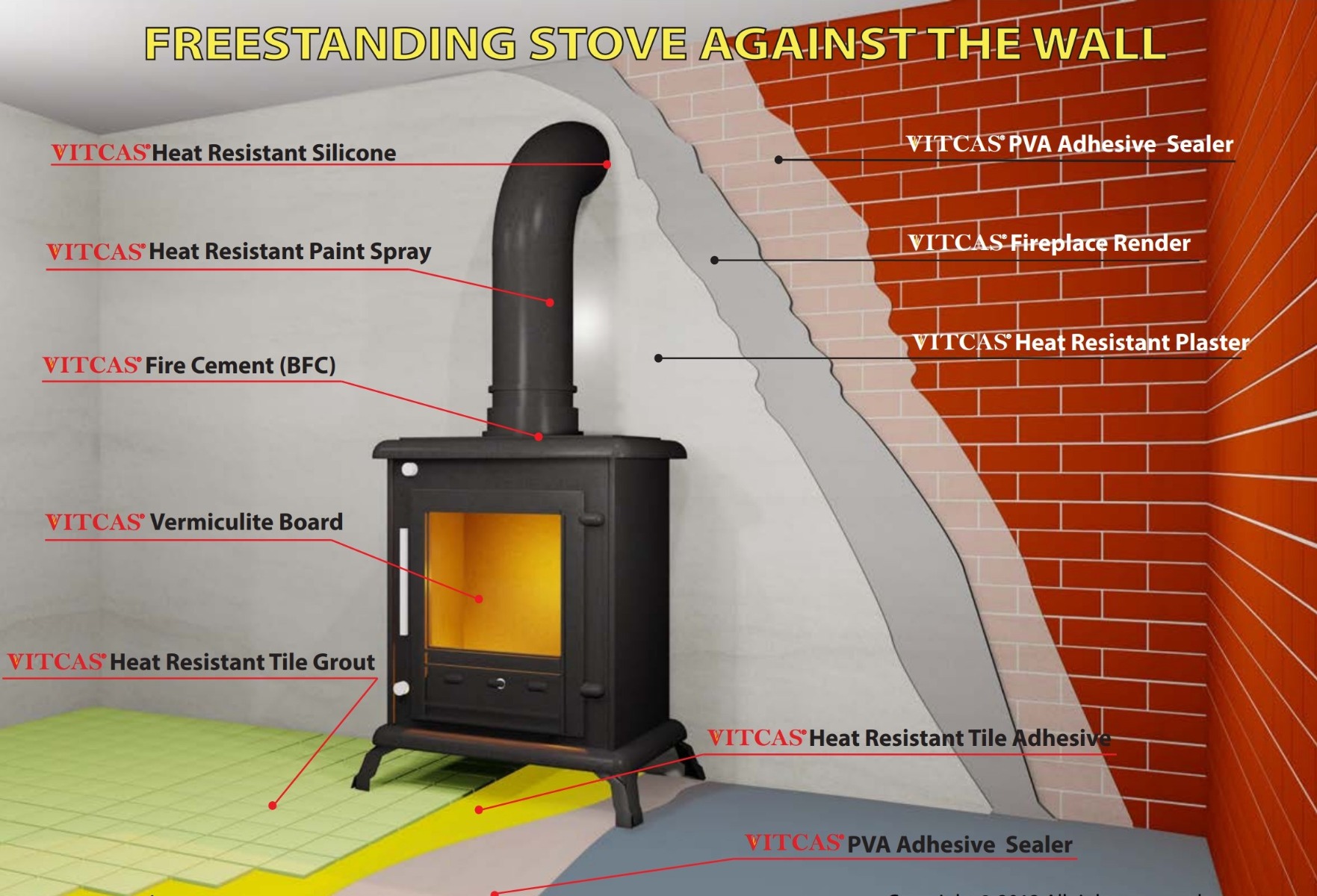
Caring for your standalone stove is crucial for its optimal performance and longevity. Routine cleaning is a key aspect of this maintenance. For wood and pellet stoves, ensure that the flue system is clear of creosote and debris, as accumulation can pose a fire hazard. Wipe down the stove's interior and the glass door to prevent soot accumulation, which can affect efficiency and aesthetics. Schedule an annual inspection by a certified professional to check for any issues with the chimney or venting system.
If you face problems such as poor airflow or unusual odors, it may suggest a blockage or improper installation. Check the stove pipe for any obstructions, and make sure that all connections are tight. If your stove is producing smoke or has a draft issue, examine the gaskets and seals to ensure they are not damaged. A faulty existing chimney can also lead to issues, so consider having it assessed if problems persist.
Lastly, always have functioning carbon monoxide and smoke detectors installed nearby. Knowing their placement can be vital for safety, as these devices provide early warnings of potential hazards. In case of diagnosing any issue, refer to the user manual or contact a specialist. Keeping a maintenance log of your stove's performance and any servicing done can also help identify problems more efficiently in the future.