

In the world of commercial painting, effectiveness and quality are paramount. Whether you're refurbishing a commercial space, sprucing up an manufacturing facility, or revitalizing a educational institution, the choice of painting method can significantly impact the final result and the overall timeline of the project. That’s where industrial paint spraying comes into play. This technique has gained significant popularity for large-scale projects due to its ability to provide a flawless finish while drastically reducing renovation time.
Choosing the right equipment is crucial for achieving optimal results in industrial paint spraying. With various systems available, including airless and HVLP options, understanding your specific requirements can make all the difference. Additionally, knowing the advantages of industrial paint spraying, such as cost efficiency, minimal downtime, and surface preparation considerations, equips business owners and project managers with the insights needed to make informed decisions. Let’s explore the many benefits of this painting method and provide insights on how to select the right equipment for your next big project.
Benefits of Commercial Paint Spraying
One of the advantages of commercial paint spraying is its efficiency. In large projects, traditional painting methods can be very slow and labor-intensive. Spray painting allows for faster application, enabling contractors to cover vast areas in a small part of the time. This efficiency is especially beneficial for businesses that need to minimize disruption and downtime, permitting them to resume normal operations as soon as possible.
Another significant benefit is the quality of finish that commercial paint spraying provides. The tools used for spraying delivers a uniform, smooth coat that is hard to achieve with a brush or roller. This flawless application not only improves the visual appeal of the space but also ensures durability, as the even distribution of paint helps avoid issues such as peeling or uneven wear over time. Businesses that prioritize presentation will find that using spray painting results in a visually appealing environment.
Cost-effectiveness is also a crucial consideration for big projects. While the initial investment in commercial paint spraying tools may seem high, the long-term savings are considerable. Reduced labor time, efficient use of materials, and fewer touch-ups translate to lower total expenses. Additionally, the longevity of the finishes applied through spray methods means less frequent repainting, further benefiting the bottom line for commercial enterprises.
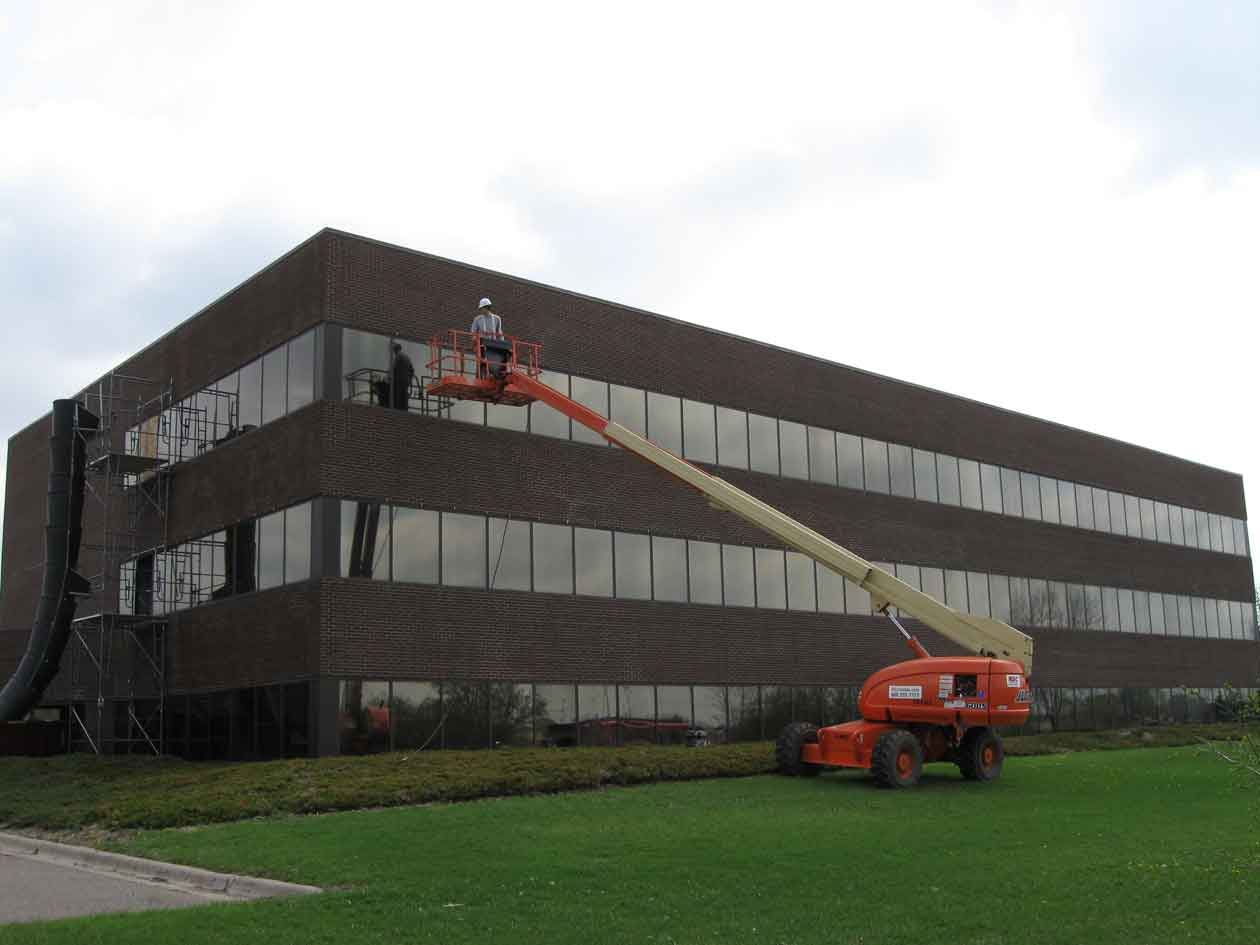
Selecting the Appropriate Spraying Shooting System
When deciding on a spray system for commercial spraying, it is crucial to understand the pair of main options available: airless and High Volume Low Pressure. The airless sprayers are ideal for big tasks, as they can paint large spaces rapidly and are suitable for thicker paints. These systems operate by utilizing a pressure pump to push paint out of a dispersal tip, resulting in a flawless coat. On the flip side, High Volume Low Pressure systems are generally appropriate for intricate work and limited projects, offering better control and less overspray, which makes them a popular option for commercial and workspace spaces.
Take into account the specific requirements of your project when selecting between airless type and High Volume Low Pressure sprayers. If quickness and effectiveness are important, particularly for warehouses or industrial facilities, an airless system may be the optimal option. However, if you are working in tight spaces or need to achieve precise detailing, like on intricate surfaces, an High Volume Low Pressure system will offer the delicacy required. Always assess Learn more of paint and the material you will be applying on, as these factors will significantly affect your decision of spray setup.
Additionally, it is crucial to take into account the equipment's upkeep and ease of operability. Some spray equipment require increased care or operator training. Putting money in a simple to operate setup can enhance productivity and reduce the risk of expensive errors. Seek out setups that provide versatility in nozzle sizes and easy cleaning processes to ensure best effectiveness throughout your business spraying project.
Safety and Regulations in Business Spraying
Safety is crucial in commercial paint spraying, as the process involves the use of various chemicals and equipment that can present hazards. It is vital for contractors to adhere to security regulations and guidelines established by regional authorities and global standards. Proper training and certifications are crucial for all staff involved in the application process to ensure they are prepared to manage the tools safely and are aware of safety measures to reduce hazards.
Personal protective equipment, or PPE, is a key aspect of safety in commercial painting operations. Workers should don appropriate equipment, including respirators, safety glasses, hand protection, and safety apparel, to minimize exposure to potentially harmful chemicals. Additionally, keeping a tidy work environment helps avoid accidents and ensures a safe area for both workers and clients. Regular safety audits and evaluations can help identify and address possible hazards before they turn into issues.
Adherence with environmental regulations is also an important aspect of business spray application. Opting for eco-friendly paint choices can significantly minimize the effect on the environment and contribute to healthier indoor air standards. Ensuring proper airflow during the painting process not only safeguards workers but also helps in adhering to environmental standards. Following industry best practices promotes safety and adds to the overall effectiveness of business spraying initiatives.