

As long as you own a garage, it's clear how important it is for your home’s performance and safety. But, like https://rentry.co/8raokkta of your house, garage doors can experience issues that require attention. Understanding how to troubleshoot these problems can save you cash and avoid more serious issues down the line. garage doors portland oregon do-it-yourself guide will provide you with the knowledge to recognize when your garage door requires immediate repair, explore common problems, and determine if you can handle the fixes yourself or if it's time to contact a specialist.
From loud operations to doors that refuse to open, there are several signs indicating that something might be wrong with your garage door system. No matter if you are a experienced DIY enthusiast or a new homeowner, understanding how to spot these issues early on is important. In this article, we will discuss a variety of topics related to garage door repair, including how to repair a troublesome garage door opener, the importance of regular maintenance, and advanced tech developments that make repairs simpler than ever. It’s time to address any garage door woes head-on and keep your home running smoothly.
Indicators That Your Garage Door Needs Fixing
One of the most apparent markers that your garage door requires repair is if it exhibits odd movements during operation. When your door stutters, shakes, or moves inconsistently while opening or shutting, it is an indication that something is wrong with the tracks, support systems, or motor. These irregularities can lead to larger issues, so it’s essential to address them promptly.
Another common sign is when the garage door makes excessive noise. While some noises, grinding, creaking, or banging noises can signal issues with the wheels, joints, or various components. Ignoring these sounds can lead to additional damage, making it crucial to check out the origin of the sound and take prompt action to address it.
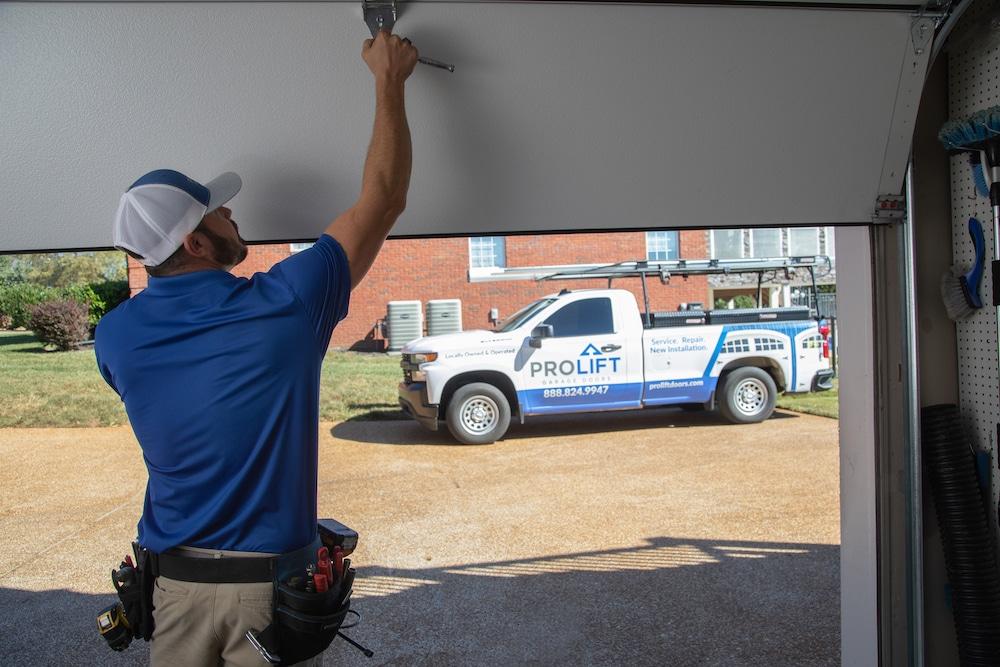
Lastly, if your garage door remote does not work or when the door fails to respond to your manual inputs, it may signal a need for repair. This issue could stem from various factors, such as exhausted batteries in the remote, malfunctioning sensors, or problems with the motor unit. Confirming your garage door works properly and effectively is crucial for your ease of use and safety.
Typical Automatic Door Problems
One of the most common problems householders experience is a garage entrance that will not open or close properly. This can be caused by several factors, including misaligned tracks, blocked sensors, or a faulty opener. Sometimes, the remote control may also be the culprit, not to communicate with the door operational unit. Inspecting these elements can often show easy fixes, such as adjusting the tracks or clearing dust from the sensors.
Another common difficulty is a noisy garage door. Loud creaks, squeaks, or grinding sounds are often signs that the door needs lubrication or that parts are worn out. Regular maintenance, such as putting lubricant to the rollers, hinges, and springs, can significantly minimize noise and avoid further damage. However, if the noise persists even after lubrication, it may indicate a more severe issue that requires professional evaluation.
A damaged garage door spring is a serious issue that demands immediate response. Find more information are essential for balancing the door's weight, and a broken spring can cause the door to become inoperable or even unsafe. Noticing the signs of a broken spring, such as the door being unusually heavy or failing to lift, is important. In many scenarios, replacing a spring should be left to a specialist due to the high tension involved, which poses risks if handled improperly.
DIY Repair vs. Professional Help
When faced with problems with garage doors, homeowners often wrestle with the decision of whether to engage in a DIY repair or hire a professional. DIY repairs can be enticing due to the possible savings and the satisfaction of fixing something on your own. Basic jobs such as applying lubricant to mechanical parts or fixing screws that are loose can often be handled without professional assistance. However, it's essential to thoroughly understand the issue before diving in, as certain issues may require specialized tools or knowledge that the average homeowner doesn't possess.
On the other hand, some garage door problems can be complex and pose risks to safety. Issues like damaged springs, broken cables, or defective openers often require expert knowledge to repair safely and effectively. Attempting to fix these problems independently can lead to additional damage or injury. Homeowners should emphasize their own safety and the performance of their garage doors, realizing when a task should be handled by professionals.
Ultimately, recognizing the boundaries of your DIY skills is key. If you find yourself dealing with ongoing problems or if the repair jobs seem overwhelming, it’s sensible to consult a garage door repair expert. They possess the experience and resources necessary to ensure your garage door is not only functional but also secure. Balancing DIY excitement with an acknowledgment of when to seek help can help you avoid unnecessary costs, and future problems down the path.