

Recently, the development of AI agents has marked a noteworthy turning point in how we engage with technology. These smart entities are changing our digital experiences, making them more effective, tailored, and meaningful. From simplifying mundane tasks to improving customer service, AI agents are becoming crucial tools for businesses looking to thrive in an increasingly digital world. The rise of these autonomous systems indicates a shift in the way companies manage operations, engage with customers, and even produce content.
For those new to the idea, understanding what AI agents are and how they differ from traditional chatbots is crucial. AI agents are not just programmed responses; they adapt and transcend, continuously enhancing their performance and broadening their capabilities. This article aims to explore the varied world of AI agents, from their role in business automation to their capacity in revolutionizing customer experiences. Whether you are a veteran professional looking to improve your workflow or a business proprietor wanting to leverage these tools, the insights provided here will help you in navigating this rapidly changing landscape.
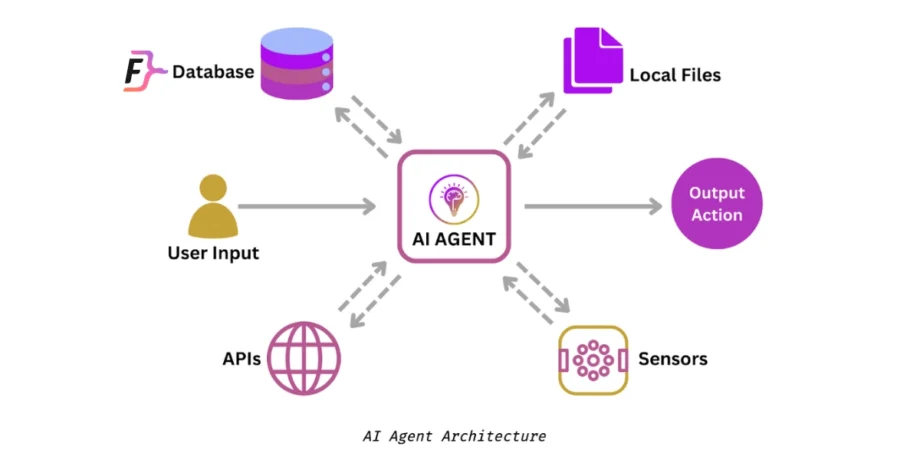
Grasping AI Agents
Artificial Intelligence agents are clever software programs created to streamline activities and decision-making processes. They function autonomously and can engage with individuals, networks, and contexts, providing resolutions to challenging problems with little human involvement. https://nenos-software.ro/ use computational routines to acquire knowledge from information, enabling them to enhance their performance over periods while adapting to new situations. This autonomy sets them apart from conventional software tools, marking a significant progression in how we interact with tech.
At their foundation, AI agents leverage various technological advancements, including ML, NLP, and cognitive computing. By analyzing vast amounts of datasets, they can discover trends, forecast results, and make educated choices. This ability extends beyond basic task handling; AI agents can comprehend situational information, participate in conversations, and even anticipate requirements. Their capacity to learn enhances their effectiveness, allowing companies to deploy them in diverse applications, from support to marketing.
The influence of AI agents on online engagement cannot be overstated. They are transforming sectors by enhancing operations, increasing productivity, and improving user experiences. As businesses more and more embrace these technologies, the need for AI agents will persist to grow, leading to groundbreaking uses that change how we interact with the digital landscape. Understanding the basics of AI agents is essential for leveraging their potential and placing oneself at the vanguard of this technological revolution.
AI Agents in Commerce
Artificial Intelligence bots are swiftly transforming the environment of contemporary businesses, providing new solutions that enhance productivity and drive growth. By taking advantage of advanced algorithms and machine learning, systems can execute intricate tasks independently, freeing up human resources for more strategic activities. This change allows companies to streamline operations, reduce costs, and improve overall productivity, making bots an essential part of modern strategic plans.
In different domains, bots are being used to revolutionize client support, sales, and marketing. For instance, they can address standard inquiries and support tasks with extraordinary speed and accuracy, greatly enhancing consumer contentment. Additionally, in sales and marketing, AI agents are capable of automating lead generation, analyzing behavior patterns, and personalizing communication, which significantly boosts engagement and conversion rates. This broad capability leads to not just enhanced experiences for clients but also superior financial performance for businesses.
Furthermore, the integration of AI agents can help petite enterprises compete with larger companies by flattening the playing field. With access to advanced technology that was once only available to bigger firms, petite enterprises can use AI solutions to optimize workflows and execute marketing strategies efficiently. This broadening of technology enables new businesses and petite companies to grow and adapt at a faster rate, adjusting quickly to trends and consumer expectations in a way that traditional methods may not allow.
### Future Trends and Considerations
As AI agents continue to evolve, we are likely to see a greater integration of machine learning techniques. This will enable AI agents to provide more precise responses, thereby enhancing collaborative problem-solving among AI agents.
Another significant trend is the growing importance of data security and privacy in the deployment of AI agents. Businesses must prioritize data protection measures. As regulatory frameworks around data usage tighten, AI agents will need to incorporate more advanced compliance systems. This foresight will be crucial in determining the integration and effectiveness of AI agents in sensitive sectors such as healthcare and finance.
Ultimately, the future of AI agents in the workplace will center on their ability to assist with human tasks rather than replace them. As AI agents take on more routine and monotonous tasks, employees will have the opportunity to focus on strategic initiatives and creative problem-solving. This evolution will require organizations to rethink their workforce dynamics and training methodologies to leverage the full potential of AI agents, ensuring a harmonious relationship between technology and human intellect.