

Rocks have a notable ability to endure the trial of time, but even the most strong surfaces can lose their luster and charm. Whether found in a historic building, a modern commercial space, or your personal home, genuine stone can tell a tale of elegance and durability. However, outside influences, daily wear, and lack of care can result to unattractive scratches, stains, and other forms of damage. This is where stone restoration is essential, bringing new life into tired stone surfaces and preserving their beauty for future generations.
In this article, we will investigate the intriguing world of stone restoration, covering various topics including the necessary techniques and tools employed by professionals to the frequent signs that suggest your stone surfaces are in need of care. stone conservation will learn about specific restoration methods, like granite polishing, and uncover how proper care and maintenance can not only boost the aesthetic appeal of your property but also significantly increase its value. Join us as we reveal the secrets to restoring the beauty of stone and the transformative impact it can have on and residential and commercial spaces.
Comprehending Stone Refurbishment
Rock refurbishment is a detailed procedure aimed at returning stone surfaces to their initial beauty and functionality. It covers a range of services, including cleaning, fixing, and restyling stone materials like granite, quartzite, and slate. Recognizing the distinct characteristics of each variety of stone is crucial for efficient restoration, as various stones require particular methods and treatments to address deterioration and harm properly.
The significance of stone refurbishment cannot be overstated, especially in maintaining the integrity and visual appeal of not only domestic and industrial properties. With time, rock surfaces can form scratches, spots, and impressions due to daily usage and surrounding factors. Routine refurbishment not only improves the look of stone but also increases its longevity, preventing costly replacements down the track. By committing in professional assistance, property holders can secure that their rock surfaces remain vibrant and durable.
The stone refurbishment procedure generally includes several phases, including appraisal, sanitizing, mending, and polishing. During the evaluation, professionals evaluate the condition of the stone and determine specific concerns that need care. Following this, custom cleaning procedures remove grime and grime that may have gathered through time. Mending tackle fissures or pieces, while smoothing revives the exterior shine. Comprehending this comprehensive process allows property owners to appreciate the craftsmanship involved in rock restoration and the significant outcomes it can provide.
Techniques and Advantages
Several methods are utilized in stone restoration to improve the appearance and longevity of surfaces. One of the most efficient techniques is honing, which involves using abrasives to create a smooth, matte finish. This approach is particularly helpful for marble and granite, as it eliminates scratches and etching while restoring a natural sheen. Another method is polishing, which uses smaller abrasives to achieve a high-gloss finish that can considerably enhance the aesthetic appeal of stone surfaces. Additionally, sealing is crucial in protecting the stone from stains and moisture, extending the quality of the restoration work.
The gains of professional stone restoration extend beyond aesthetics. Restored stone surfaces can upgrade the overall functionality of an area, making it safer to walk on and simpler to maintain. For instance, refurbishing a worn stone floor can eliminate trip hazards and enhance traction, contributing to a less dangerous environment. Furthermore, regular professional maintenance can prevent costly repairs in the future, making it a wise investment for homeowners and property managers alike.
When considering stone restoration, comprehending these techniques and their benefits can guide property owners in making smart decisions. Not only can proper restoration infuse new life into stone surfaces, but it can also raise the property value and offer a fresh, inviting appearance. Whether it’s residential spaces or commercial properties, putting money into stone restoration pays dividends in both functionality and aesthetics.
Maintenance and Preservation
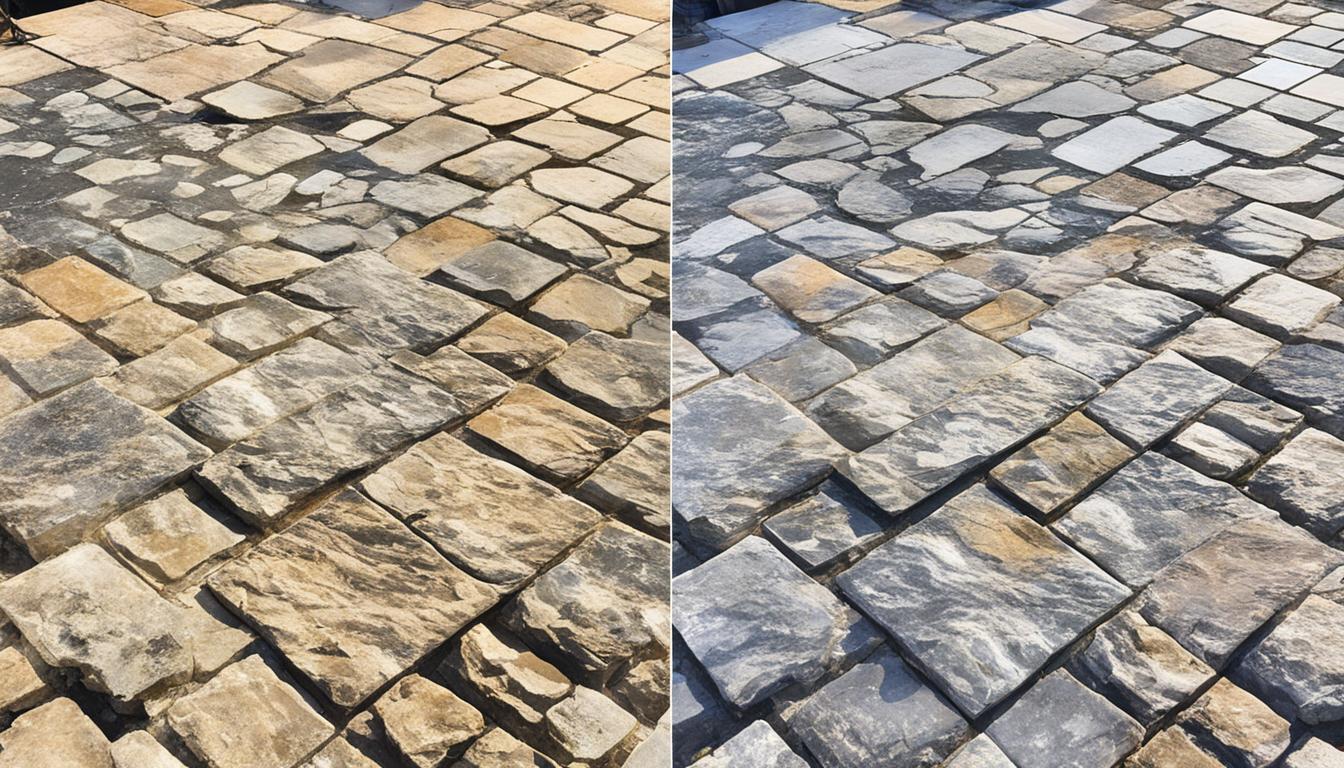
Appropriate maintenance and protection of your renewed stone surfaces are essential to ensure their longevity and aesthetic appeal. Consistent cleaning using a pH-neutral stone cleaner can help remove dirt and grime without damaging the stone. It's important to steer clear of acidic or abrasive cleaners, as they can etch and dull the surface. Establishing a routine cleaning schedule, especially in busy areas, will keep your stone looking fresh and extend its durability.
Sealing is another key aspect of stone maintenance. A high-quality stone sealer acts as a barrier against stains and moisture, safeguarding the stone from frequent damage such as etching and discoloration. Depending on the type of stone and its location, the interval of sealing may vary. It's generally recommended to reseal every one to three years, but conducting a water test can help determine when your stone needs a new seal.
Lastly, be proactive in safeguarding your stone surfaces from physical damage. Put felt pads under furniture to prevent scratching, and use trivets or coasters to prevent heat and moisture exposure. Address any spills immediately and avoid walking on stone surfaces with heavy footwear. By using these maintenance and protection strategies, you can maintain the beauty and integrity of your stone for many years to come.