

Within this realm of building and design, precision is key. Projects, regardless of whether for home renovations or large business developments, require a foundation of precise data. This is where measured assessments become important. Such surveys serve as a critical tool, providing meticulous and precise measurements of existing structures, landscapes, and structures. Understanding what a measured survey involves and its potential to elevate your design is essential for anyone wishing to embark on a construction journey.
Detailed surveys are often the initial phase in a successful building project. They provide clarity and accuracy, helping architects and designers to visualize and design effectively. But what exactly are these assessments, and why should one opt for these prior to commencing renovations, additions, or refurbishments? From the nuances of traditional methods to the emergence of cutting-edge technologies like 3D laser scanning, this document will explore the many aspects of measured assessments, emphasizing their importance in ensuring that all elements is considered, ultimately resulting in smoother construction operations and fewer mistakes.
Comprehending Quantified Assessments
Measured assessments are detailed evaluations that capture the exact dimensions and attributes of a building or location. These surveys tend to be ordinarily performed using sophisticated methods such as laser imaging and conventional measurement instruments. The chief goal remains to deliver precise information that can guide design construction, and remodeling tasks. A well-executed quantified assessment results in a dependable documentation that serves as a foundation for any subsequent design or building work.
One of the key features of a evaluated assessment lies in the degree of detail it offers. It covers not only the dimensions of walls and spaces but also the layout of structural components, features, and services. The results can be in multiple formats, such as 2D CAD illustrations and 3D models. Helpful hints of detail is vital for architects and designers, as it enables them to develop informed plans that represent the current conditions of the property, thereby enhancing the efficiency and accuracy of the planning procedure.
In addition to informing design efforts, evaluated assessments play a critical role in various phases of real estate construction and remodeling. They prove to be particularly valuable when handling with older or heritage buildings, as exact dimensions are essential to preserve architectural integrity. Moreover, they are required for planning submissions, guaranteeing adherence with regulatory standards. By investing in a measured assessment, real estate owners and investors can prevent costly errors and ambiguities that may arise from incorrect or partial information.
### The Importance of Accurate Measurements
Accurate measurements are the foundation of successful construction projects. They ensure that all design elements fit together seamlessly, reducing the risk of expensive mistakes and delays. Inaccurate measurements can cause a chain reaction of issues, from incorrect assemblies to structural issues, which can jeopardize the integrity of a project. Therefore, having exact measurements at the beginning allows engineers, builders to design with certainty, knowing that every aspect has been considered.
When it comes to property renovations, precise data are crucial for understanding the existing state of a building. A detailed assessment provides critical data that informs design strategies, allowing for custom approaches that consider the unique characteristics of the space. Without this comprehensive analysis, property owners may face unexpected difficulties during the renovation process, including adjustments that increase expenses and extend timelines. Therefore, investing in a measured survey initially can lead to smoother project execution and improved outcomes.
Moreover, exact specifications play a key role in conformance with planning requirements. When submitting designs for consent, planners require exact current data to evaluate how the proposed updates will impact the surroundings and neighborhood. Accurate evaluations provide this necessary data in a concise presentation, facilitating better communication with regulatory bodies. This clarity helps developers avoid any legal problems down the line, thus saving both time and resources.
Deciding the Best Survey Company
Selecting the best measured survey company is vital for ensuring the precision and quality of your project. Begin by investigating companies with a good reputation and expertise in the field. Look for reviews and testimonials from former clients to gauge their reliability and expertise. A reputable company will have a portfolio demonstrating previous work, demonstrating their ability to manage projects comparable yours, whether they include residential, commercial, or unique properties.
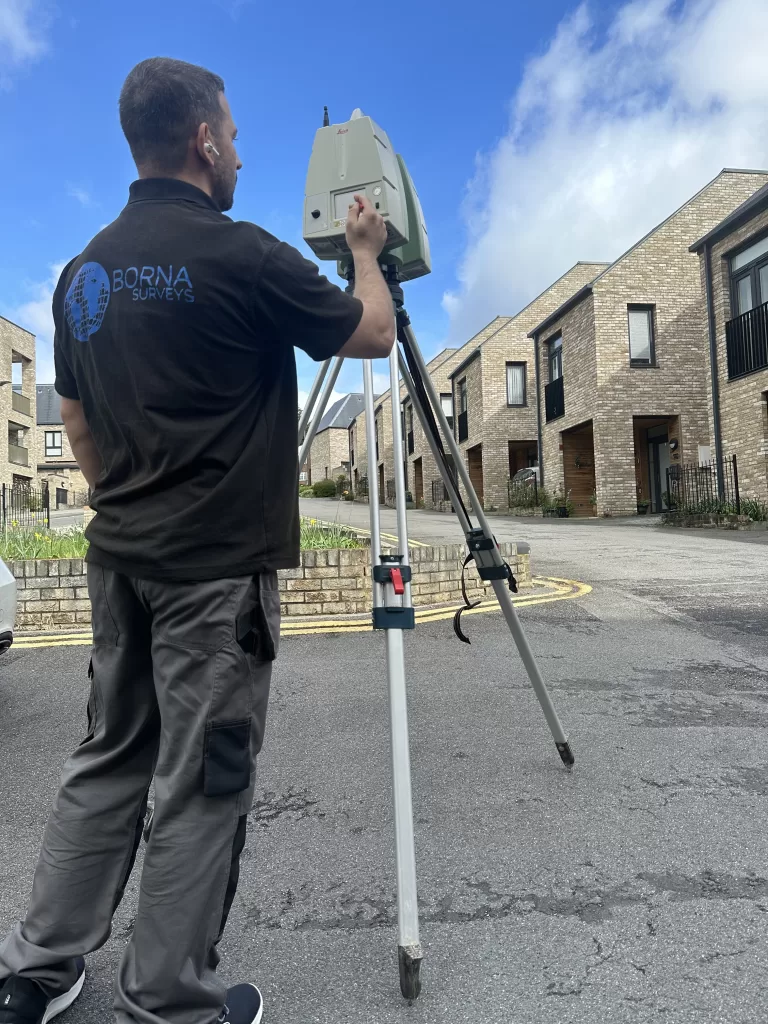
Next, evaluate the technology and methods the company employs. Traditional survey methods are still effective, but companies that utilize advanced techniques like 3D laser scanning can provide greater accuracy and quicker results. Question about the tools and software they utilize, as this can significantly impact the quality of the survey. Additionally, a well-informed team should be ready to explain their processes and how they guarantee that all measurements are precise and reliable.
At last, discuss timelines and costs with potential survey companies. A transparent understanding of how long the survey will take and the total cost involved is crucial for budgeting your project effectively. While it might be appealing to choose the most economical option, emphasize quality and accuracy to steer clear of costly errors later. Create clear communication from the outset to make certain that the chosen company aligns with your project goals and requirements.