

Stone restoration is an age-old craft that merges artistic flair with expert technique to restore weathered or flawed surfaces. As natural stone features such as flooring, worktops, and exteriors offer both beauty and durability, recognizing the importance of renewing these elements can greatly enhance the durability and attractiveness of your estate. Whether you have a historic building or a modern home, the impact of time, elements, and everyday use can take a toll on stonework, making restoration an essential practice for maintaining their beauty and stability.
In this comprehensive guide, we will investigate several elements of the restoration process, from identifying the signs that your surfaces need attention to figuring out the appropriate methods and experts for the task. You will discover how various stones like marble, granite, travertine, and others can be restored through professional restoration techniques. Additionally, we will review care recommendations and the importance of sealing for maintaining the aesthetic of your stonework for years to come. Come along as we investigate the timeless craft of stone restoration and uncover how it can enhance your home.
Grasping Stone Restoration
The process of stone restoration is the method of fixing natural stone surfaces that have turned damaged or worn over time. This can involve a range of approaches aimed at washing, finishing, and renewing the stone to its natural beauty. Whether it is marble, each type of stone has its own special characteristics and requires tailored methods for efficient restoration. The value of stone restoration cannot be overemphasized, as it not just enhances the appearance of the stone but also extends its lifespan and safeguards its structural integrity.
The process starts with a detailed assessment of the stone's condition, which helps to identify any problems such as gouges, etching, stains, or uneven surfaces. Following this examination, the suitable techniques can be utilized, ranging from intensive cleaning to finishing and sealing. Expert stone restoration technicians often utilize advanced equipment and proprietary products to achieve results that DIY methods often cannot replicate. By paying in expert restoration, property owners can make certain that their stone surfaces are treated with the top level of attention.
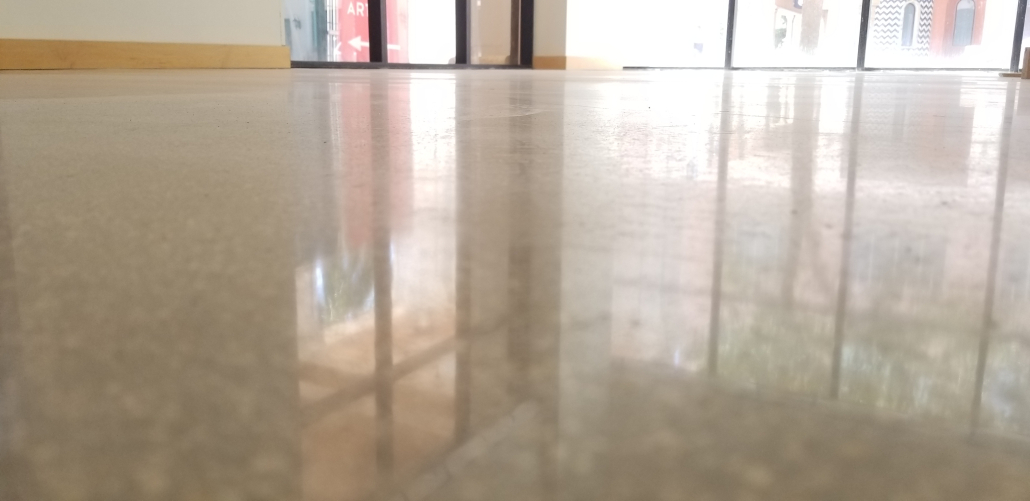
Furthermore, preserving the beauty and functionality of stone surfaces is vital for both visual appeal and property value. Well-restored stone can greatly enhance the aesthetic of residential and commercial spaces, creating a welcoming environment. Additionally, routine maintenance and timely restoration when needed can help mitigate potential damage caused by natural elements or wear and tear, ultimately preserving the beauty and longevity of natural stone for years to come.
Professional vs. DIY Restoration
When it comes to natural stone repair, property owners frequently encounter the dilemma of choosing between professional services or trying a do-it-yourself method. Expert restoration offers the expertise and knowledge necessary to tackle various issues efficiently. Skilled specialists understand the details of different types of stones and the specific methods needed for restoration. They use specialized equipment and high-quality products that can achieve results superior to what is possible with typical household tools and cleaners.
Conversely, DIY restoration can be appealing due to the potential to save money and the fulfillment of doing it yourself. Many homeowners believe they can perform basic cleaning and minor repairs with off-the-shelf products. However, this method can prove detrimental if the incorrect techniques or chemicals are used, potentially causing further damage. DIY attempts can result in unsatisfactory results, leaving homeowners frustrated and in wanting expert assistance after all.
Ultimately, the choice between professional restoration and DIY efforts should be based on the level of the damage, the type of stone, and the desired outcome. While DIY may work for minor maintenance, significant wear or damage typically requires the skills of a professional. Investing in expert restoration can not only save time but also guarantee that the stone surfaces are restored properly, preserving their beauty and extending their lifespan.
Maintenance and Management for Refurbished Rock
Appropriate care and care are essential to maintaining the appearance and integrity of refurbished stone facades. It is key to frequently wash stone facades using soft cleaners specifically designed for real stone. Eliminate harsh chemicals or abrasive materials that can damage the finish. Routine maintenance helps eliminate dirt and grime that can lead to additional tear and staining, ensuring that the renovated surface remains in optimal condition.
In addition to regular cleaning, sealing is a critical component of stone management. After restoration, facades should be sealed to protect against water, stains, and other potential hazards. Depending on the variety of stone and its function, it may be essential to reapply the sealant from time to time. Following the creator's recommendations for sealing can help sustain the stone’s visual appeal and extend its usefulness.
Finally, addressing any minor damage promptly is critical to avoiding more significant repairs later on. Easy measures, such as using coasters under objects and restricting excessive moisture exposure, can greatly reduce the likelihood of deterioration. By applying these maintenance strategies, residents and property managers can enjoy the renewed appeal of their stone surfaces for many years.