

Establishing a serene outdoor space can convert your home into a sanctuary, delivering a perfect escape from the chaos of daily life. With the right landscape design, you can create an atmosphere that promotes relaxation, encourages outdoor living, and improves the overall look of your property. Whether you have a large backyard or a small front yard, there are multiple strategies and ideas that can lift your outdoor space into a calm retreat.
In this article, we will explore a range of landscape design ideas that cater to different needs and styles. From incorporating hardscaping elements to picking the ideal plants, we will guide you through the most effective ways to transform your outdoor area. Whether you are a experienced gardener or a novice looking to make a small yet significant impact, we aim to encourage you with creative solutions for designing landscapes that resonate with your idea of tranquility.
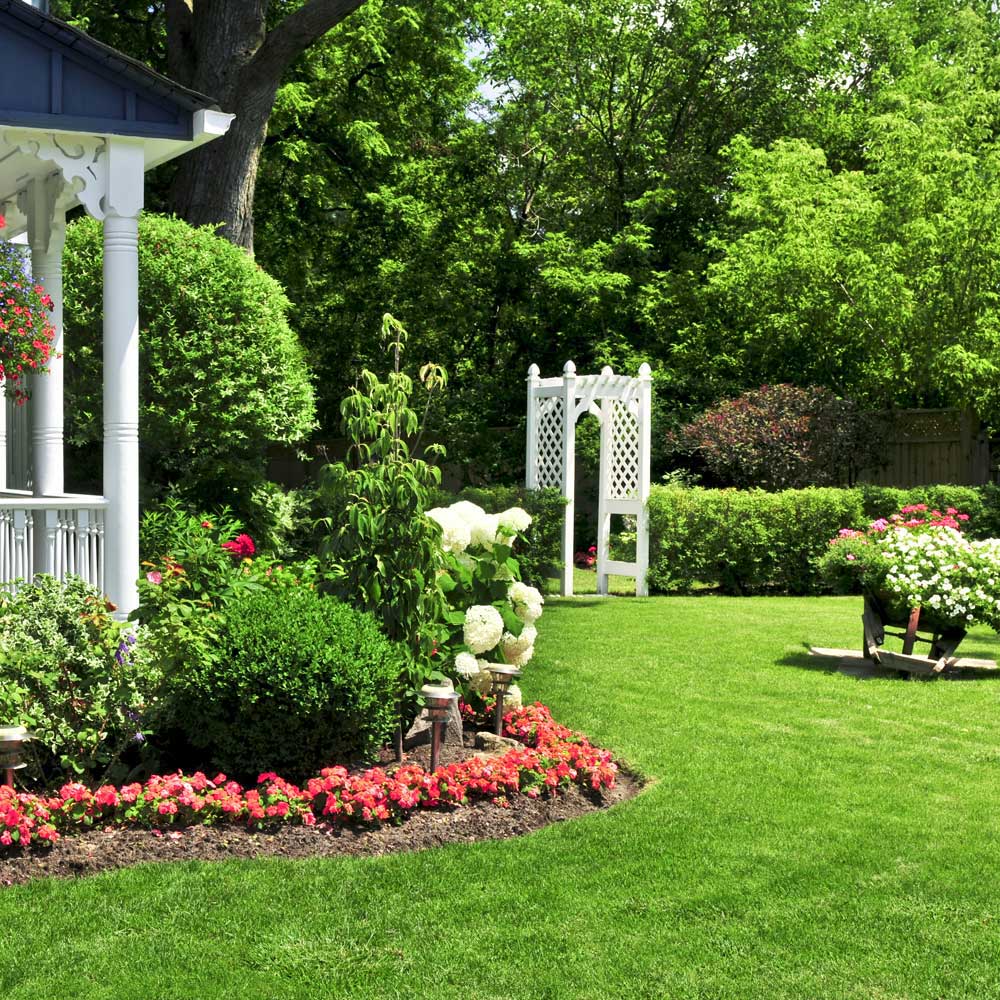
Premier Landscape Decoration Concepts
Crafting a stunning backyard starts with incorporating features that blend aesthetics and practicality. One of the top landscape design ideas is to define individual zones within your yard. By employing plants, hardscaping, and architectural elements, you can design areas for rest, dining, and socializing, ensuring each section of your yard has a function while boosting its total appearance. For example, a comfortable seating area encircled with bright blooms can offer a peaceful retreat.
Another captivating suggestion is to incorporate water features into your landscape. Waterfalls, or even a miniature waterfall can bring calming noises and a feeling of calm, transforming your backyard into a serene oasis. These elements not only enhance the aesthetic attractiveness of your space but also draw in beneficial wildlife, such as birds and pollinators, adding life and movement to your yard.
Finally, think about using local species in your landscape. These plants are naturally suited to the local environment and earth conditions, needing less care and irrigation. By choosing native varieties, you can develop a lovely and sustainable landscape that thrives naturally. Additionally, the implementation of native plants supports local ecosystems, making your design not only stunning but also environmentally sustainable.
Essential Landscape Design Tips
When begin landscaping, it's important to start with a detailed strategy. Examine your land, considering existing features, sunlight patterns, and drainage issues. This assessment will influence your design choices and help you determine how to improve your land effectively. Additionally, consider your lifestyle: do you need a area for entertaining, planting, or recreation? Identifying your needs will aid in selecting the appropriate elements for your design.
Adding the ideal kinds of plants can boost the aesthetic and functionality of your landscape. Investigate vegetation that grow well in your local climate and soil conditions. Local species are frequently a great choice as they are suited to the surrounding ecosystem and demand less attention. Additionally, think about plant placement for visual interest—arranging plants by height and color can create a lively and appealing atmosphere. Keep in mind that seasonal changes can add to the appeal of your land, so including a mix of perennials and seasonal blooms will ensure all-year appeal.
Another important factor is integrating hardscape elements, such as decks, sidewalks, and garden walls, into your design. These elements not only offer structure but also improve usability. As you are selecting hardscape options, choose a design that fits with your house style and the general landscaping look. Additionally, consider adding outdoor lights to showcase your landscape at night and create a inviting atmosphere. Thoughtful lighting planning can improve your time spent outside, making your area feel inviting and serene.
Current Trends in Landscape Design
Landscaping trends are constantly evolving, reflecting a growing awareness of eco-friendliness and environmental impact. One notable development is the increasing utilization of indigenous plants in landscaping design. These plants are suited to the native environment and habitat, requiring fewer water and care while providing essential habitats for animals. Integrating native plants is not only beneficial for the ecosystem but also boosts the landscape's organic aesthetic appeal.
Another noteworthy trend is the rise of food-producing landscapes, which emphasize the combination of ornamental and functional plants. Click for info are progressively aspiring to create gardens that not only improve their outdoor spaces but also provide healthy fruits, vegetables, and herbs. Edible landscapes facilitate for artistic designs that promote sustainability and wellness-focused living, transforming gardens into utilitarian spaces that nourish families while enhancing aesthetic value.
Lastly, technology keeps to play a vital role in transforming landscape design. From innovative landscape design apps and tools that help homeowners picture their plans to the implementation of automated irrigation systems that optimize water efficiency, technology is making landscaping increasingly accessible and effective. The addition of illumination solutions that improve outdoor aesthetics after dark also adds to creating welcoming and flexible outdoor environments that can be utilized year-round.